How Tower Fans Work: A Simple Guide
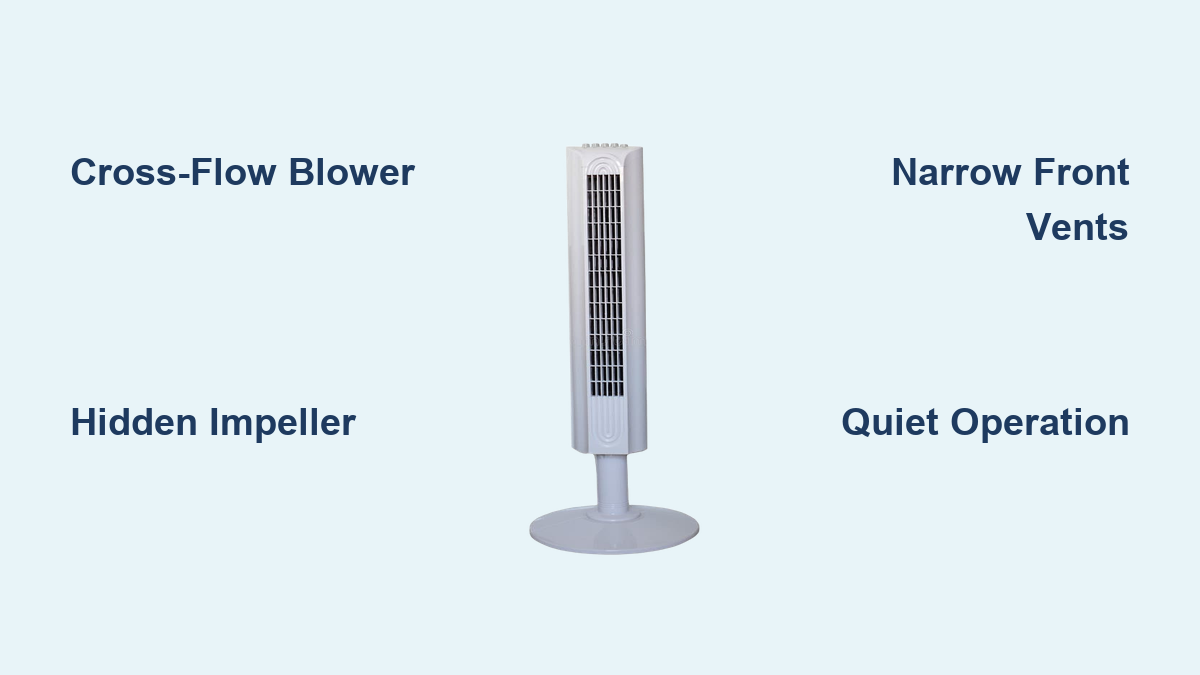
You’re sitting in your living room on a warm afternoon, and the quiet hum of your tower fan fills the space. It’s sleek, unobtrusive, and moves air smoothly across the room without the loud whirring of traditional fans. But how exactly does a tower fan work? Unlike fans with visible spinning blades, tower fans use a hidden internal mechanism that creates efficient, quiet airflow through clever engineering.
This guide breaks down the science behind tower fan operation, from the cross-flow blower mechanism to oscillation mechanics and smart controls. You’ll learn what happens inside that slim column of plastic and why it delivers such different performance compared to standard pedestal fans.
The Cross-Flow Blower: Inside the Tower Fan Mechanism
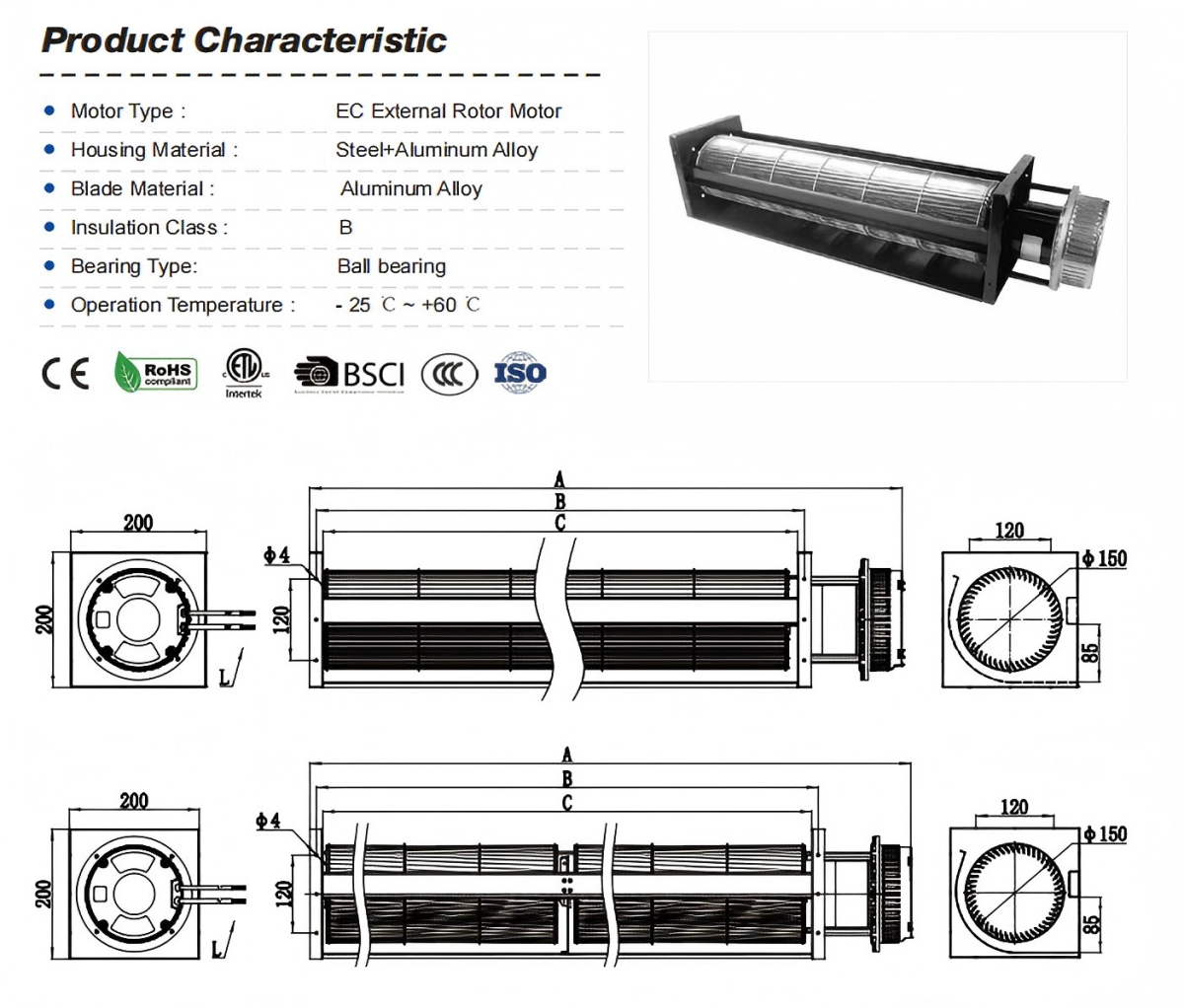
The heart of every tower fan is its cross-flow blower, also called a squirrel cage impeller. This isn’t a traditional fan blade. It’s a long, drum-shaped rotor with curved, forward-facing fins that spin vertically within the housing.
How the Impeller Creates Airflow
When the electric motor spins the cylindrical impeller, the forward-facing blades act like tiny scoops. Air gets drawn in through intake vents on the rear or sides of the unit. Once inside, centrifugal force pushes the air outward against the housing walls. Because both ends of the rotor are sealed, the air can’t escape sideways. It’s forced to travel along the cylinder’s length and exit through narrow front vents.
This process creates a pressurized, directional jet of air. Without the internal housing constraints, the airflow would be chaotic and unstable. The blocking wall inside the casing stabilizes the system, ensuring air exits only from the front while the opposite side remains nearly silent.
Why Blade Direction Matters
The forward-facing orientation of the blades is essential for the scooping action. Experiments show that reversing the blade direction eliminates airflow entirely, proving that this specific geometry is what makes the system work. The curved design also reduces turbulence, allowing air to flow smoothly through internal channels before discharge.
The Airflow Journey: From Intake to Your Room
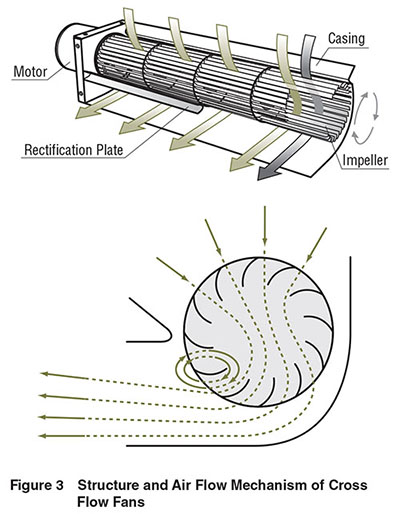
Every tower fan follows a predictable cycle to move air efficiently through your space. Understanding this path explains why the breeze feels different from traditional fans.
Step-by-Step Air Movement
- Motor Activation: Electricity flows to the motor, creating a magnetic field that spins the impeller.
- Air Intake: The spinning impeller creates a low-pressure zone, pulling surrounding air through rear or side grilles.
- Internal Acceleration: Air enters the rotor and gains speed and pressure from the curved blades.
- Directional Discharge: Pressurized air exits through long, narrow vertical slits on the front panel.
- Room Distribution: The tall vent design creates a thin, wide airstream that covers more vertical space than pedestal fans, cooling you from head to toe.
Why Narrow Vents Make a Difference
The vertical slits aren’t just for aesthetics. Their narrow width increases air velocity, similar to putting your thumb over a garden hose. This creates a stronger, more focused flow while reducing turbulence. The result is a smoother, quieter breeze compared to the choppy gusts of exposed-blade fans.
Key Components Powering Your Tower Fan
Beyond the impeller, several engineered parts work together to deliver performance, safety, and user control.
Motor and Thermal Protection
The single-phase induction motor sits at the base or middle of the unit for balance. Most modern tower fans include thermal overload protection. This safety feature cuts power if the motor overheats during extended use, preventing damage or fire risk.
Vent Design and Function
- Rear or Side Intakes: Narrow openings limit dust entry. Many models include washable pre-filters that trap particles before they reach the impeller.
- Front Outlet Slits: Precision-molded to minimize air resistance and noise. Their vertical length ensures even airflow distribution across the room.
- Weighted Base: Often filled with sand or metal to prevent tipping during oscillation. The housing is typically high-impact plastic shaped to guide airflow and protect internal components.
Oscillation: Spreading Air Across the Room
Tower fans don’t just blow straight ahead. Most can sweep side to side, cooling a much wider area through oscillation.
How Oscillation Works
A small secondary motor drives a gear and shaft system that slowly rotates the upper body or fan head. This converts continuous rotation into a controlled 60° to 120° swing, depending on the model.
Benefits of Oscillation
- Eliminates hot spots by preventing stagnant air in corners
- Ensures everyone feels the cooling effect in shared spaces
- Some models let you lock oscillation for targeted airflow
- Customizable range adapts to different room sizes and layouts
Control Options: From Basic to Smart
Modern tower fans offer various ways to adjust settings and automate performance.
Manual and Remote Controls
Most units feature touch or button panels for adjusting speed, oscillation, and timers. Infrared remotes allow control from across the room, which is especially useful at night or when relaxing on the couch.
Advanced Smart Features
High-end models include Wi-Fi connectivity for smartphone app control and voice assistant support through Alexa or Google Assistant. Some units have built-in temperature sensors that automatically adjust fan speed based on room conditions. These features turn a basic fan into a responsive part of your smart home ecosystem.
Performance Comparison: Airflow, Noise, and Efficiency
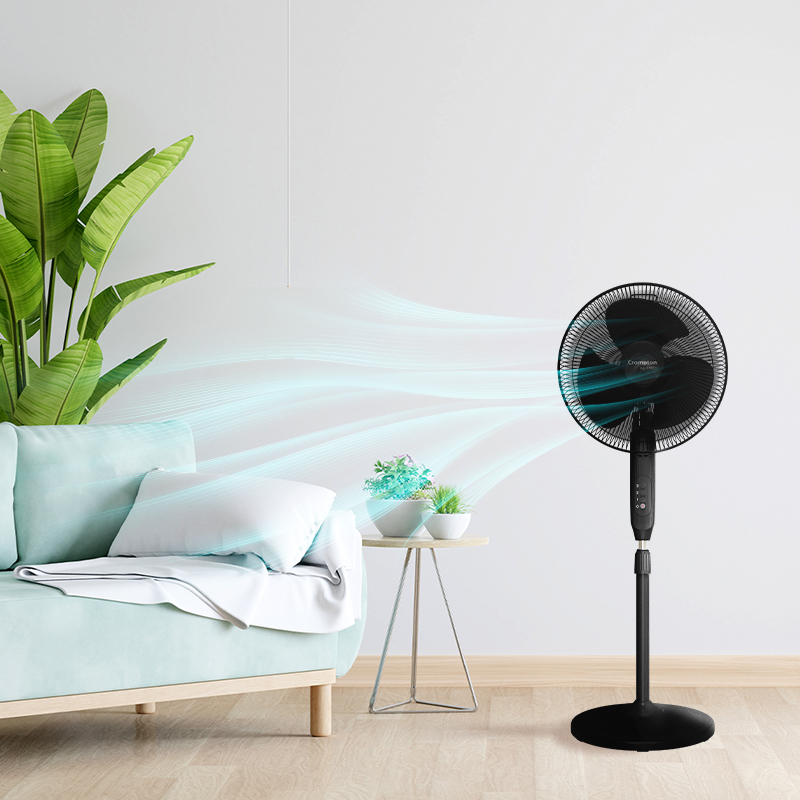
Tower fans are designed to balance power, quietness, and energy use, making them ideal for bedrooms and offices.
Airflow Velocity and Coverage
High-end models can generate airflow exceeding 3 meters per second at 1.8 meters distance. The wide, vertical curtain of air feels gentler than a narrow jet but covers more body surface. Tower fans work best in small to medium rooms up to 300 square feet.
Why Tower Fans Stay Quiet
Most models operate between 25dB and 50dB, as quiet as a whisper on low settings. The enclosed impeller and aerodynamic blades reduce turbulence noise by up to 40%. The sound profile is a smooth, low hum instead of the high-pitched whine common in pedestal fans.
Energy Costs to Run
Typical wattage ranges from 35 to 60 watts, about half the power of a standard floor fan. At 23p per kWh, running a 35W tower fan costs just 0.8p per hour. Using low speeds at night or enabling auto mode saves even more energy.
Tower Fan vs. Other Fan Types

Not all fans work the same way. Here’s how tower fans compare to common alternatives.
Design and Safety Comparison
| Feature | Tower Fan | Pedestal Fan |
|---|---|---|
| Blade Visibility | Hidden | Exposed |
| Child Safety | High | Low |
| Footprint | Slim, corner-friendly | Wide base |
Best Use Cases for Each Type
- Tower Fan: Best for steady, quiet circulation in bedrooms or offices
- Pedestal Fan: Better for strong, direct cooling in large or hot rooms
- Desk Fan: Ideal for personal airflow at workstations
- Bladeless Fan: Offers ultra-smooth airflow and easier cleaning
Tower fans win on aesthetics, safety, and noise reduction, but may lack raw power for very large spaces.
Maintaining Your Tower Fan for Peak Performance
A clean tower fan performs better and lasts longer. Regular maintenance prevents common issues.
Step-by-Step Cleaning Guide
- Unplug the fan before cleaning
- Vacuum intake vents using a brush attachment
- Wipe the exterior with a damp cloth
- Clean the impeller if accessible by removing the cover
- Wash filters with soapy water and air-dry completely
- Reassemble only when all parts are completely dry
Why Dust Causes Problems
Dust on the impeller causes imbalance, leading to vibration and noise. Clogged vents can reduce airflow by up to 30%, forcing the motor to work harder and shortening its lifespan.
Solving Common Tower Fan Problems
Even reliable fans can develop issues. Here’s how to diagnose and fix them.
Fan Won’t Turn On
- Test the outlet with another device
- Inspect the power cord for fraying or damage
- Some models have a replaceable fuse that may need professional replacement
Weak Airflow
- Clean dust-clogged vents and the impeller
- Check that the speed setting isn’t on low
- Verify nothing is blocking the intake
Unusual Noises
- Grinding or rattling suggests loose screws, worn bearings, or debris in the impeller
- Tighten fittings and clean internals
- Contact support if the motor appears faulty
Oscillation Failure
- Often caused by a failed oscillation motor or stripped gears
- Usually requires professional repair or part replacement
Safety Guidelines for Tower Fan Use
Tower fans are among the safest fan types, but proper use still matters.
Child and Pet Safety
The narrow front grille prevents fingers or paws from reaching internal components. The weighted base resists tipping, but avoid placing the fan near high-traffic areas where accidental bumps might occur.
Preventing Damage
Leave space around the fan to ensure proper ventilation. Never operate a tower fan on its side, as this can damage the motor and void the warranty. Most motors have thermal protection, but keeping vents clear prevents unnecessary overheating.
When Tower Fans Aren’t the Best Choice
Tower fans work well in many situations, but they have limitations worth knowing.
Cooling Capacity
Like all fans, tower fans don’t lower room temperature. They enhance evaporative cooling on your skin, which works best in moderate heat rather than extreme temperatures.
Room Size Constraints
The total air volume moved is often less than large pedestal or floor fans. Tower fans work best in rooms up to 300 square feet. Larger spaces may need stronger airflow from alternative fan types.
Cleaning Challenges
Some models require partial disassembly to clean the impeller. Check the manual before buying if easy cleaning is a priority for you.
The Future of Tower Fan Technology
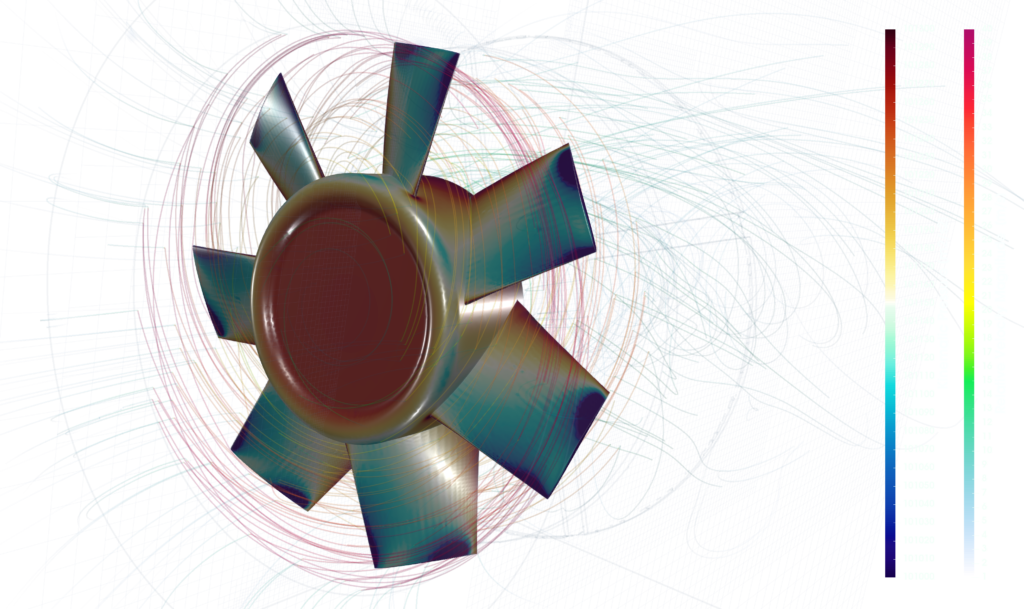
Tower fan design continues evolving with new features and improved efficiency.
Emerging Smart Features
Advanced sensors will include humidity and occupancy detection for truly autonomous operation. Energy tracking apps will monitor power usage and suggest efficiency improvements. Voice control integration continues expanding across major smart home platforms.
Engineering Improvements
Computational fluid dynamics optimizes impeller shapes for maximum airflow with minimal noise. Next-generation motors promise higher torque at lower wattages. Hybrid systems combining cooling with air purification are becoming standard in premium models.
Key Takeaways for Understanding Tower Fan Operation
Tower fans work by combining a hidden cross-flow blower with smart airflow engineering to deliver quiet, even cooling in a compact design. The squirrel cage impeller pulls air in through rear vents and pushes it out through narrow front slits, creating a smooth vertical airstream rather than the choppy blast of traditional fans.
The key advantages are whisper-quiet operation, safe enclosed blades, and sleek aesthetics that fit any room. However, they’re best for small to medium spaces and don’t provide the raw cooling power of pedestal fans or air conditioners.
Regular cleaning and proper placement ensure long-term performance. If you need quiet, energy-efficient air circulation for a bedroom or office, a tower fan remains an excellent choice.
Frequently Asked Questions About Tower Fan Operation
How does a tower fan create airflow without visible blades?
Tower fans use a hidden cross-flow blower with a cylindrical impeller inside the housing. The forward-facing blades scoop air and push it through narrow vents, creating airflow without exposed spinning blades.
Are tower fans more energy-efficient than pedestal fans?
Yes, tower fans typically use 35 to 60 watts compared to 100 watts or more for pedestal fans. This makes them about 40% to 65% more energy-efficient while producing less noise.
Can tower fans cool a room like air conditioning?
No, tower fans don’t lower room temperature like air conditioners. They circulate air to enhance evaporative cooling on your skin, which works best in warm but not extreme conditions.
How long do tower fans typically last?
With proper maintenance, tower fans can last 5 to 10 years. Lifespan depends on bearing quality, dust accumulation, and how often the fan runs. Regular cleaning significantly extends the operational life.
Why is my tower fan making noise?
Unusual noises usually indicate dust buildup on the impeller, loose screws, or worn bearings. Clean the internal components and tighten any loose fittings. If the noise persists, the motor may need professional inspection or replacement.