Portable Fan Power Consumption: What to Expect
Leaving a fan running all summer might seem like a drain on your electricity bill, but the truth is, portable fans are among the most energy-efficient cooling devices available. With typical power consumption ranging from 10 to 120 watts, most fans cost less than $1 per month to operate for several hours daily. Whether you’re using a compact desk fan or a large box fan, understanding portable fan power consumption helps you stay cool without spiking your energy costs. This guide breaks down exact wattage by fan type, shows how to calculate your monthly cost, and reveals how long fans can run on portable power stations.
Fan Power Basics: Watts, kWh, and Cost
What Does Wattage Mean for Fans?
Wattage measures how much electricity a fan uses while running. Most portable fans operate between 10 and 120 watts, depending on size, motor type, and speed setting. For context, a 15W desk fan uses as much power as a bright LED bulb, while a 100W box fan draws about the same as an older laptop charger. Higher wattage means more airflow but also higher energy use.
How to Calculate Fan Energy Use
Use these formulas to determine your fan’s actual energy draw.
Daily energy calculation:
Fan watts × hours used = daily Wh
Monthly energy calculation:
(Watts × hours per day × 30) ÷ 1000 = monthly kWh
Monthly cost calculation:
kWh used × electricity rate = monthly cost
For example, a 40W fan running 8 hours daily uses 320 Wh (0.32 kWh) daily, which equals 9.6 kWh monthly. At $0.13/kWh, that totals approximately $1.25 per month. Real-world usage is often 5 to 10 percent lower than rated wattage due to motor efficiency and voltage fluctuations.
Average Fan Consumption by Speed Setting
Power use varies dramatically with speed. On low setting, fans use approximately 20 to 30 percent of max wattage. On high setting, they use 100 percent of rated wattage. A 60W fan might use just 15 watts on low, cutting energy use by 75 percent. Always start low and increase only if needed.
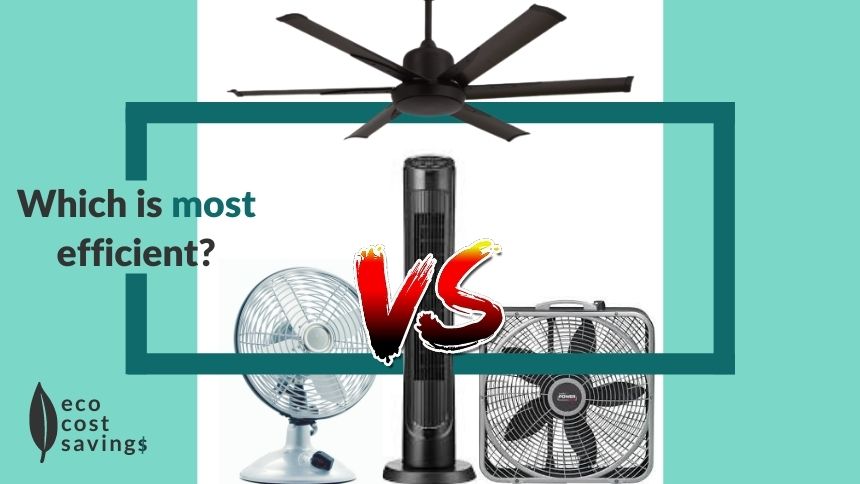
Power Use by Fan Type
Desk and Table Fans: 15 to 60 Watts
These personal cooling units are the most energy-efficient options available. Here are typical wattages by size.
• 8-inch models: approximately 40W
• 12-inch models: approximately 50W
• 16-inch models: approximately 55W
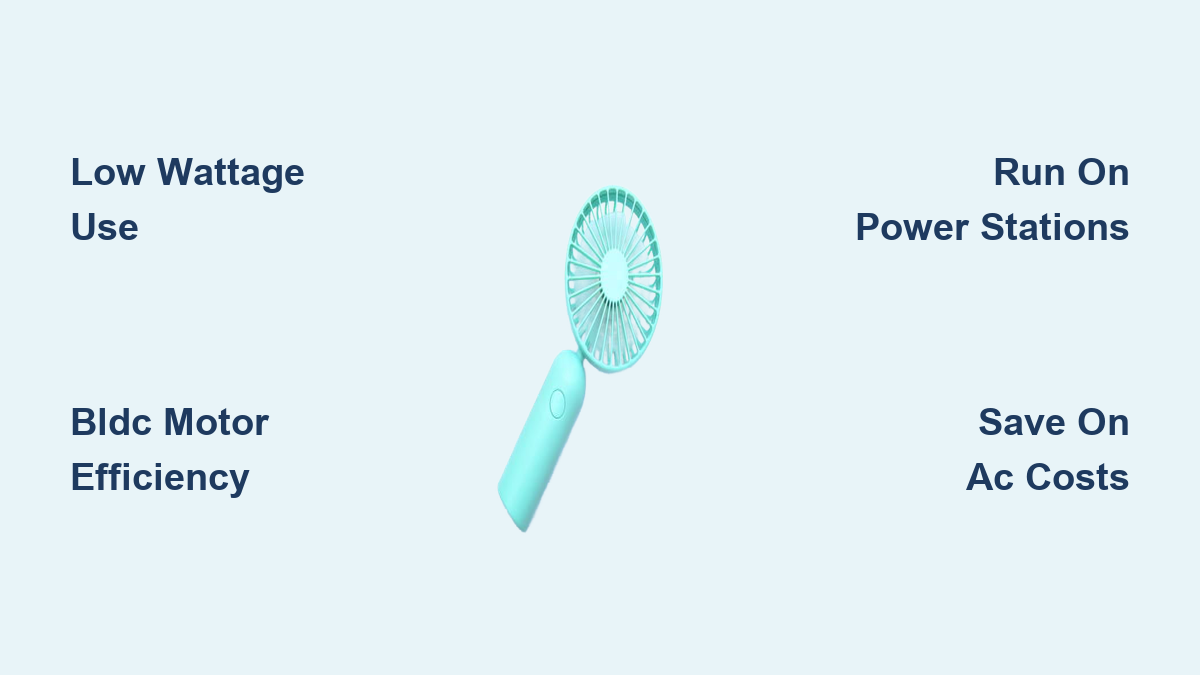
• Mini USB fans: as low as 5W
Speed-based draw for a typical 16-inch table fan breaks down as follows.
• Low speed: 20 to 30W
• Medium speed: 30 to 45W
• High speed: 50 to 60W
Running a 15W desk fan 8 hours daily costs approximately $0.45 per month, which is less than a single energy drink.
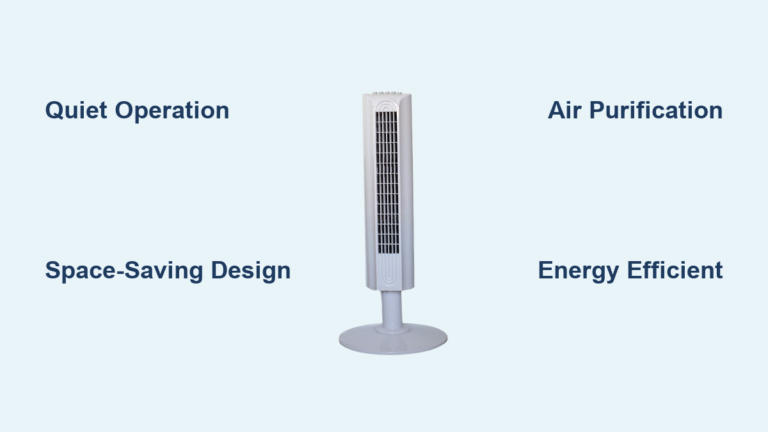
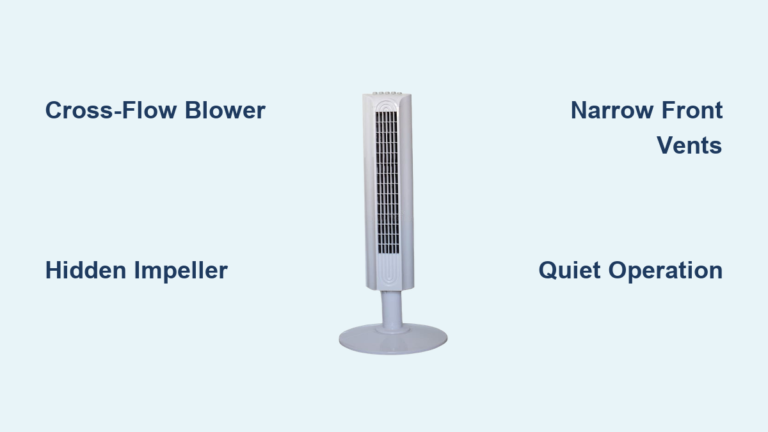
Tower Fans: 40 to 60 Watts
Tower fans are slim, oscillating, and quiet, but extra features increase power draw. Average consumption sits around 54W. Daily use for 12 hours consumes 648 Wh. Monthly cost at 8 hours daily is approximately $1.50. Oscillation and air ionizers add 5 to 10 extra watts, so turn them off when not needed.
Box Fans: 50 to 100 Watts
Box fans are built for maximum airflow across windows or rooms. Average consumption is approximately 100W. Daily use for 12 hours consumes 1.2 kWh. Monthly cost at 8 hours daily is approximately $3.00. Despite higher draw, box fans are still 90 percent cheaper than running an AC unit.
Pedestal Fans: 60 to 100 Watts
Pedestal fans are ideal for large rooms and offer strong circulation. Average consumption is approximately 80W. Daily use for 8 hours consumes 0.64 kWh. Monthly cost is approximately $2.30 at $0.12/kWh. Some modern models with BLDC motors use as little as 35W for similar airflow.
Ceiling Fans as Efficiency Benchmark
While not portable, ceiling fans serve as a useful comparison point. Low speed uses 3.6 to 15W, while high speed uses 30 to 100W. Average consumption is approximately 33W. Monthly cost at 12 hours daily ranges from $1.40 to $5.20. A ceiling fan uses less than half the power of a box fan while cooling larger areas.
How to Cut Fan Energy Use
Choose the Right Fan for Your Space
Selecting the appropriate fan size prevents energy waste. For small rooms like offices or bedrooms, use an 8 to 12-inch desk fan rated at 15 to 40W. For medium rooms, a tower or 16-inch table fan at 40 to 60W works best. For large rooms or draft creation, use a box or pedestal fan rated at 70 to 100W. Undersized fans run inefficiently at max speed, while oversized fans waste energy.
Use the Lowest Effective Speed
Running your fan on low instead of high can reduce power use by up to 70 percent. If you’re sitting still, low speed often provides enough breeze. Use a timer or smart plug to turn off the fan after you fall asleep, since running it all night wastes energy.
Prioritize BLDC Motor Fans
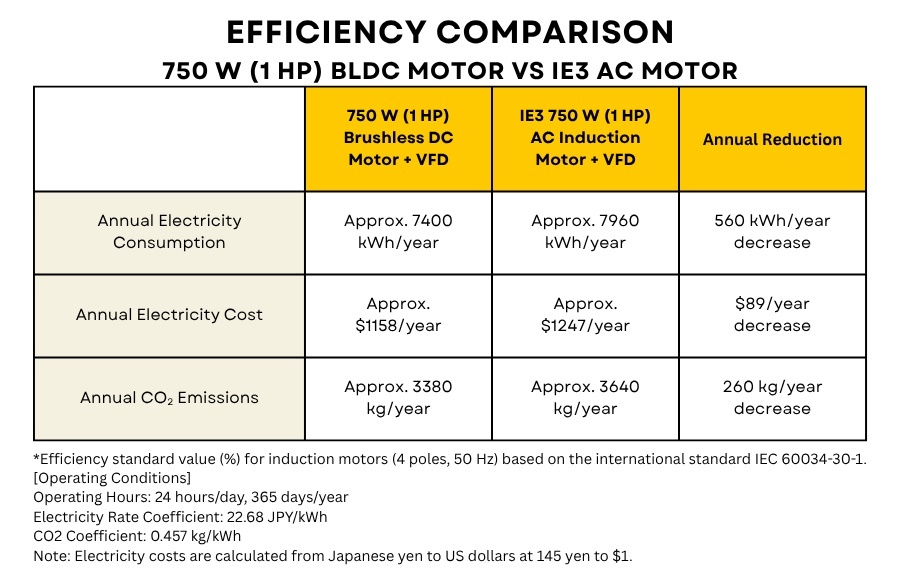
Brushless DC motors are up to 60 percent more efficient than traditional AC motors. An AC motor fan uses 80 to 110W, while a BLDC motor fan uses 35 to 56W while delivering the same airflow. BLDC benefits include lower power draw, quieter operation, less heat generation, and longer lifespan. Look for Energy Star labels or explicit BLDC claims when buying.
Keep Fans Clean and Lubricated
Dust buildup increases drag, forcing the motor to work harder and consume more power. Perform monthly maintenance that includes wiping blades with a damp cloth, vacuuming motor grills, checking for loose screws, and lubricating pivot points when applicable. A clean fan can use 10 to 15 percent less energy than a dirty one.
Portable Power Stations: Run Fans Off-Grid
How Long Can a Power Station Run a Fan?
Use this formula to estimate runtime: (Battery capacity × 0.85) ÷ Fan wattage. The 0.85 factor accounts for energy loss in conversion and transmission. For example, a 500Wh station running a 40W fan provides (500 × 0.85) ÷ 40, which equals approximately 10.6 hours of runtime.
Compatible Power Stations and Runtime Estimates
OUPES models:
• OUPES 600 (595Wh) runs a 40W fan for approximately 12.7 hours
• OUPES 2400 (2232Wh) runs a 40W fan for approximately 47.5 hours
• OUPES Mega 5 (5040Wh) runs a 40W fan for approximately 107 hours
AFERIY models:
• P010 (512Wh) runs a 40W fan for approximately 10.9 hours
• P110-D (960Wh) runs a 40W fan for approximately 20.4 hours
• P210 (2048Wh) runs a 40W fan for approximately 43.5 hours
Jackery models tested with a 33W ceiling fan:
• Jackery 500 (518Wh) provides approximately 13 hours of runtime
• Jackery 1000 Plus (1264Wh) provides approximately 32.5 hours of runtime
• Jackery 2000 v2 (2042Wh) provides approximately 52.5 hours of runtime
Solar Charging for Continuous Fan Use
Pair your power station with solar panels to run fans indefinitely during daylight. A 100W solar panel can recharge a 500Wh station in 6 to 8 hours. In sunny conditions, solar input can match or exceed fan power draw. An ideal setup is a 500Wh station combined with a 100W solar panel, enabling 24/7 fan operation in good weather.
Real-World Cost Comparison
Monthly Operating Costs at 8 Hours Daily
At $0.13/kWh, here are typical monthly costs by fan type.
• Mini desk fan (15W): 3.6 kWh monthly, costing approximately $0.47
• Table fan (40W): 9.6 kWh monthly, costing approximately $1.25
• Tower fan (54W): 13.0 kWh monthly, costing approximately $1.69
• Pedestal fan (80W): 19.2 kWh monthly, costing approximately $2.50
• Box fan (100W): 24.0 kWh monthly, costing approximately $3.12
Even the highest-consumption portable fan costs less than $0.11 per day.
Fan vs. Air Conditioner Energy Savings
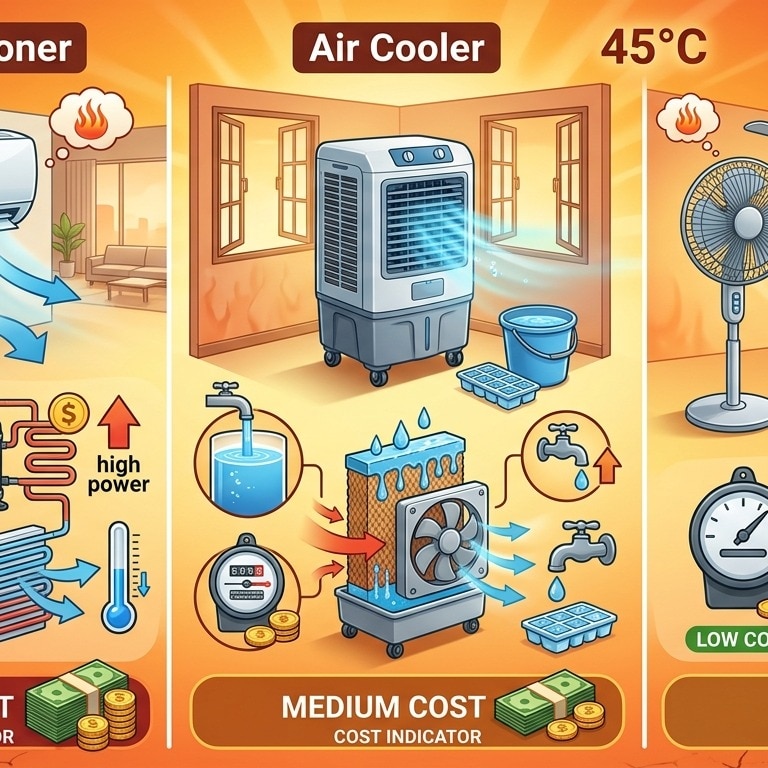
A portable fan at 50W running 8 hours daily uses 1.2 kWh, costing approximately $4.68 monthly. A window AC unit at 1,000W running 8 hours daily uses 24 kWh, costing approximately $93.60 monthly. Using a fan instead of AC saves over $85 per month. Combine both by running AC less and using fans to circulate cool air for optimal efficiency.
Safety and Smart Usage Tips
Is It Safe to Leave a Fan On All Night?
Yes, if the fan is in good condition and placed safely. Ensure there are no frayed cords or strange noises, the fan sits on a stable flat surface, and it’s away from water, curtains, or bedding with unobstructed airflow. Avoid pointing the fan directly at your face or body for 8 or more hours, which can cause dry skin, irritated eyes, or muscle stiffness. Use a timer or smart plug to turn off after 2 to 4 hours.
When to Replace an Old Fan
Signs your fan is wasting energy include loud humming or grinding noises, wobbles or vibrations, dust-clogged blades or motor, and longer time to reach full speed. An old inefficient fan can use 20 to 30 percent more power than a new BLDC model.
Maximize Efficiency: Pro Tips
Use Fans with AC for Lower Bills
Fans create wind chill, letting you raise the thermostat by 4°F without losing comfort. Set AC to 78°F while using fans, and it feels like 74°F, resulting in up to 20 percent lower cooling costs. Turn fans off when you leave the room since they cool people, not spaces.
Position for Optimal Airflow
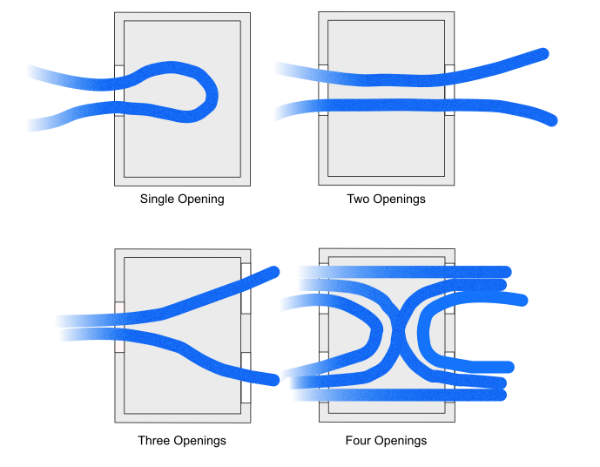
Place fans near windows to pull in cool air at night. Position them in doorways to create cross-ventilation. Set fans opposite AC vents to distribute cool air faster. Strategic placement reduces needed runtime.
Use Natural Ventilation First
Open windows during cooler mornings and evenings. Use fans to pull in fresh air and push out hot air without any AC needed.
Key Takeaways for Portable Fan Power Consumption
Portable fan power consumption is surprisingly low, with most models using under 60 watts. Even running 24/7, a typical fan adds less than $3 to your monthly bill. The lowest draw comes from mini desk fans at 5 to 15W. The best efficiency comes from BLDC motor fans at 35 to 56W. The longest runtime comes from 500Wh-plus power stations at 10 to 50 plus hours. The biggest savings come from using fans instead of AC. By choosing the right fan, running it on low, and keeping it clean, you can stay comfortable all summer for less than the cost of a cup of coffee per month. Pair your fan with a solar generator, and you’ve got a zero-grid, low-carbon cooling system perfect for emergencies, camping, or sustainable living.
Frequently Asked Questions About Portable Fan Power Consumption
How many watts does a typical portable fan use?
Most portable fans consume between 10 and 120 watts, depending on the type and size. Small desk fans use 15 to 60W, while larger box fans use 50 to 100W. The average fan consumes approximately 39W on high speed and 7W on low speed.
Does running a fan all night cost a lot of money?
No, running a fan all night costs very little. A 40W fan running 8 hours nightly uses about 9.6 kWh monthly, which costs approximately $1.25 at $0.13/kWh. Even running 24/7 adds less than $3 to your monthly electric bill.
Which type of fan uses the least electricity?
Mini USB desk fans use the least electricity, drawing as little as 5 watts. BLDC motor fans are the most efficient traditional option, using 35 to 56W while delivering airflow comparable to AC motors that use 80 to 110W.
Can I run a fan on a portable power station?
Yes, you can run a fan on any portable power station. A 500Wh station can power a 40W fan for approximately 10 to 13 hours. Larger stations like the Jackery 2000 v2 (2042Wh) can run the same fan for over 52 hours.
Are BLDC fans worth the higher price?
Yes, BLDC fans are worth the investment because they use up to 60 percent less energy than traditional AC motor fans. They also run quieter, generate less heat, and last longer. The energy savings typically outweigh the higher purchase price within the first year of use.
How much can I save using fans instead of air conditioning?
Using fans instead of AC saves over $85 per month on cooling costs. A typical portable fan costs about $3 to $5 monthly to run, while a window AC unit costs $90 or more. Fans also create wind chill that lets you set your thermostat 4°F higher without losing comfort.