How to Make a Portable Fan Blow Cold Air
Standard portable fans simply move air around—they do not actually cool the air itself. This frustrates many people who point a fan at themselves during hot summer days and wonder why they are not feeling cold. The good news is that you can make your portable fan blow noticeably colder air by combining it with cooling sources like ice, evaporation, and strategic ventilation. These methods use simple physics to drop air temperature without requiring expensive air conditioning units.
This guide covers proven techniques to transform your ordinary fan into an effective cooling tool. You will learn exactly how to set up ice-based cooling, evaporative systems, cross-ventilation strategies, and sleep-optimization methods. Each approach is practical, affordable, and works in small to medium spaces.
Use the Ice Bucket Method

The fastest way to make your fan blow cold air is by placing ice directly in front of it. This technique uses heat exchange: as warm air passes over melting ice, it absorbs cold energy and loses heat, creating a chilled breeze you can actually feel.
Position Ice in Front of Your Fan
Place a shallow bowl, tray, or bucket filled with ice cubes in front of your fan. Aim the fan to blow over or through the ice, not away from it. When warm air hits the cold surface, it cools down before reaching you. Crushed ice works best because the smaller pieces create more surface area for faster cooling.
Never place ice containers on top of the fan. Condensation can drip into the motor, causing electrical hazards or permanent damage. Always use a stable, flat surface in front of the unit where air flows freely.
Upgrade with Frozen Water Bottles
Loose ice melts quickly, often within an hour, requiring constant refills. The frozen bottle hack solves this problem and is recommended by the Good Housekeeping Institute.
Follow these steps to set it up:
- Fill clean 1-liter plastic bottles with water and freeze them overnight.
- Place 2 to 3 frozen bottles on a tray in front of your fan.
- For enhanced cooling, wrap each bottle in a damp cloth.
The frozen core provides sustained chilling while the damp cloth adds evaporative cooling. This method lasts 2 to 3 times longer than loose ice and creates far less water mess.
Maximize Cooling Duration
To extend how long your fan blows cold air, use larger ice blocks instead of small cubes. Pre-chill the water before freezing it, and keep spare frozen bottles in your freezer for quick replacements. Combining frozen bottles with a damp towel creates dual-stage cooling that lasts even longer.
This technique works best in small rooms and delivers instant relief during heatwaves. The cooling effect is immediate but requires ongoing maintenance as ice melts.
Apply Evaporative Cooling with Damp Cloths
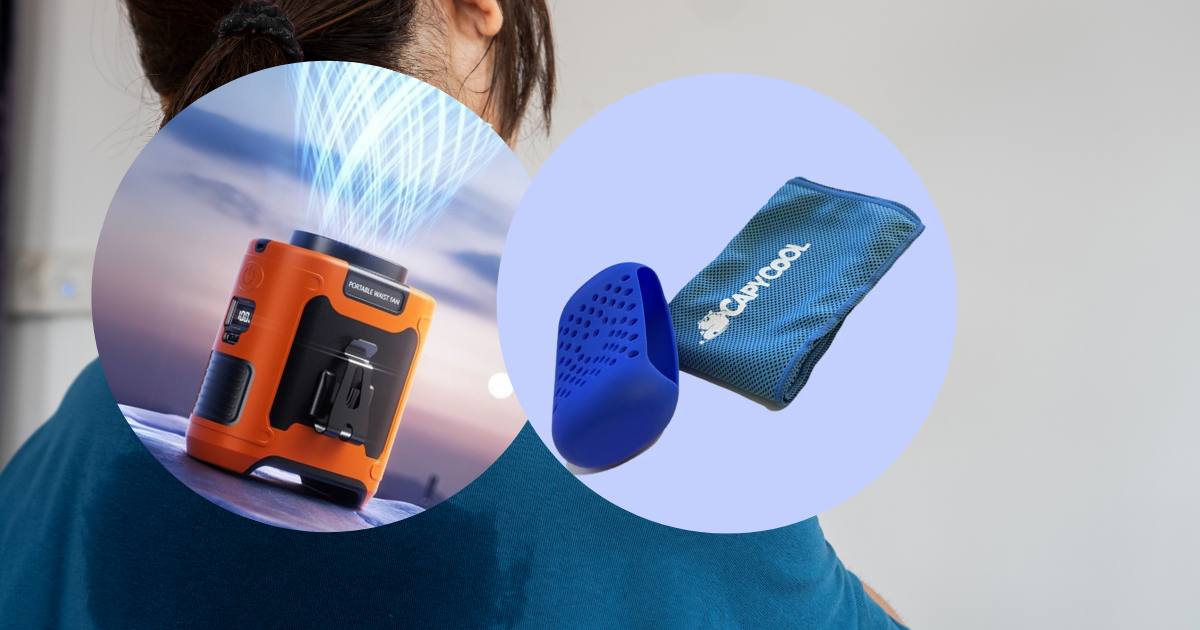
Evaporation is a powerful natural cooling process. When water transforms from liquid to gas, it absorbs heat from the surrounding air. By placing wet fabric in your fan’s airflow, you can lower air temperature using the same science that cools your skin when you sweat.
Choose the Right Fabric
Not all cloths deliver the same cooling power. Cotton and microfiber towels work best because they absorb large amounts of water and release it slowly, maximizing evaporation time. Avoid synthetic fabrics like polyester—they dry too quickly and provide minimal cooling.
Hang a Damp Towel in Front of the Fan
Soak a towel in ice-cold water, then wring it out until it is damp but not dripping. Hang it tightly across the front of your fan so that all airflow passes through the fabric. Replace or re-wet the towel every 30 to 60 minutes to maintain cooling effectiveness.
For a self-sustaining system that requires less maintenance, try the wick method:
- Place a bucket of cold water on the floor near your fan.
- Drape one end of a towel into the water and hang the other end over a chair or clothes rack.
- Position the fan 2 to 4 inches behind the towel, blowing through the wet fabric.
The towel draws water upward like a wick, staying moist for extended periods without frequent re-wetting.
Add Essential Oils for Refreshment
Enhance the cooling experience by adding 3 to 5 drops of peppermint or eucalyptus essential oil to the water. These scents create a menthol-like sensation that makes the air feel cooler, even if the actual temperature drop is slight.
Understand Climate Limitations
Evaporative cooling only works well when humidity is below 60 percent. In humid climates, the air cannot absorb more moisture, so evaporation slows dramatically and cooling diminishes. If you live in a muggy area, skip the damp cloth method and stick with ice-based techniques instead.
Set Up Cross-Ventilation
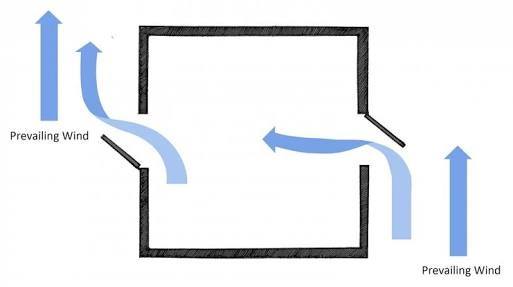
Your fan does not need to cool the air inside—it can pull in naturally cooler outdoor air while pushing hot indoor air out. This strategy, called cross-ventilation, turns your fan into a powerful air exchanger that can drop room temperature by several degrees.
Pull Cool Air Indoors
During nighttime or early morning hours when outdoor temperatures drop, take advantage of this natural cooling:
- Identify the shady side of your home where outdoor air is coolest.
- Open windows on that side and place a fan in one window, facing inward.
- This draws fresh, cooler air from outside into your room.
Expel Hot Indoor Air
On the opposite side of the room or house:
- Open another window.
- Place a second fan facing outward.
- This pushes warm, stagnant indoor air outside.
Together, these fans create a continuous airflow loop that refreshes the entire space. Think of it like opening both front and back car windows to let wind rush through.
Use Negative Pressure with a Single Fan
If you only have one fan, place it in a window blowing outward. This creates negative pressure indoors, pulling cooler air in through other open windows or doors. It is less powerful than dual-fan cross-ventilation but still effective for single-room cooling.
Optimize Timing and Placement
Run cross-ventilation only when outdoor air is cooler than indoor air, typically evenings or early mornings. Keep the path between intake and exhaust points completely clear of furniture and curtains. Close windows and blinds during the day to trap any cool air you have generated.
Optimize Fan Placement and Environment
Even the best cooling hack fails if your fan is poorly positioned or clogged with dust. Small adjustments to placement and maintenance can dramatically improve airflow and cooling efficiency.
Keep Fan Away from Walls
Place your fan at least 12 inches from walls and corners. Proximity restricts airflow and reduces the volume of air moved, measured in CFM. More open space around your fan means better circulation and stronger cooling.
Clear All Obstructions
Ensure nothing blocks the front output or back intake of your fan. Curtains, furniture, or clutter can cut airflow by up to 50 percent. For evaporative cooling setups, keep the damp cloth or ice tray fully exposed to the intake so air passes directly over the cooling element.
Clean Fan Blades Monthly
Dust buildup adds weight to blades and disrupts their aerodynamics. Wipe blades with a microfiber cloth every few weeks to maintain peak performance. A clean fan moves air more efficiently and puts less strain on the motor.
Reduce Room Humidity
High humidity makes fans feel ineffective because sweat cannot evaporate from your skin. Use a dehumidifier to keep indoor humidity below 60 percent. This boosts evaporative cooling performance and helps prevent mold growth.
Combine Fans with Other Cooling Aids

Your portable fan does not have to work alone. Pairing it with other devices amplifies cooling results significantly.
Use a Cool-Mist Humidifier
In dry climates, a cool-mist humidifier adds moisture that enhances skin evaporation. Place the fan nearby to circulate the mist throughout the room. The combination creates a stronger wind-chill effect and improved comfort.
Never use this method in humid areas. Excess moisture encourages mold and dust mite growth, which can trigger allergies and damage your home.
Install a Ceiling Fan in Counter-Clockwise Mode
If you have a ceiling fan, set it to rotate counter-clockwise during summer months. This pushes cool air downward, enhancing the breeze from your portable fan. Together, they can make a room feel up to 8 degrees Fahrenheit cooler.
Try a Thermoelectric Fan
Some advanced fans use Peltier technology to actively cool air. These thermoelectric models draw in air, pass it over a chilled plate, and blow out slightly colder air. While less efficient than traditional air conditioning, they offer real cooling without requiring ice or water.
Sleep Cooler with Fan Hacks
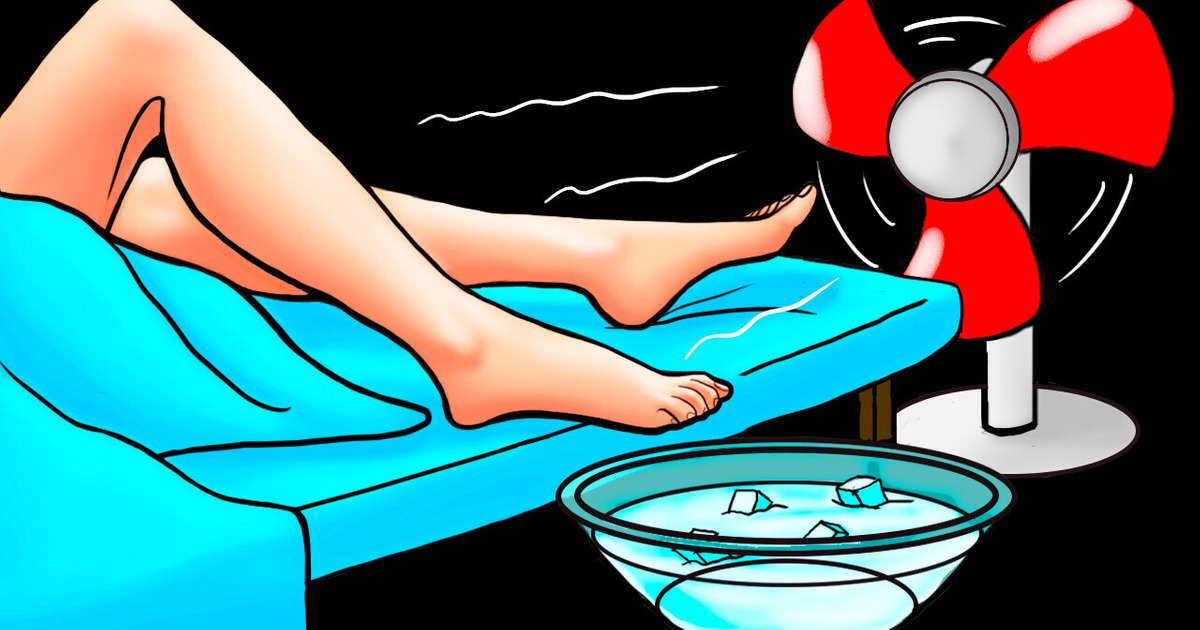
Nighttime cooling requires different tactics than daytime cooling. You need comfort, quiet operation, and smart positioning to avoid dryness or chill while you sleep.
Aim Fan Away from Your Face
Blowing air directly on your face causes dry eyes, throat irritation, and disrupted sleep. Instead, point the fan at your feet or angle it across the room. Use oscillation to distribute breeze gently without concentrating airflow on any one area.
Pre-Cool the Room Before Bed
Run your fan on high with ice or a damp cloth for 30 minutes before going to sleep. Once the room cools down, switch to a low speed or set a timer to run for a few hours. This pre-cooling strategy helps you fall asleep in comfort without running the fan all night.
Use Ice Bottles in Bed
Fill a hot water bottle with ice-cold water and place it at your feet or under your pillow. This provides localized cooling without noise or drafts. It works especially well when combined with a low-speed fan nearby.
Optimize Your Bedding
Switch to 100 percent cotton sheets—they breathe better than synthetic materials and help your body regulate temperature. Avoid heavy blankets during summer months. Keep windows open with screens if your area is safe for nighttime ventilation.
Troubleshoot Common Fan Cooling Issues
Even with the right setup, problems can arise. Here is how to fix the most common issues.
Fan Feels Ineffective
High humidity blocks evaporation and makes fans feel useless. Stop using damp cloth methods and switch to ice-based cooling. Run a dehumidifier to remove excess moisture from the air.
Room Gets Warmer
The fan motor generates a small amount of heat that can warm a closed room over time. Add cross-ventilation to bring in fresh air. Use ice methods to offset motor heat. Never run a fan in a sealed, sun-exposed room.
Cooling Does Not Last
Loose ice melts too fast, especially in warm rooms. Switch to frozen water bottles or larger ice blocks. Keep spare frozen bottles in your freezer for quick swaps when needed.
Air Feels Too Dry
Direct airflow or overuse of evaporative cooling can dry out your skin and throat. Redirect the fan away from your face. Limit damp cloth use to short periods. Monitor humidity and keep it below 60 percent.
Fan Is Too Noisy
High speed settings or poor placement cause excessive noise. Lower the speed, move the fan farther away, or use oscillation mode. Choose a quieter fan model specifically designed for bedrooms if noise is a concern.
Know the Limits of Fan Cooling
Fans are powerful comfort tools, but they have boundaries you must understand to use them safely and effectively.
Fans Do Not Lower Room Temperature Alone
A fan in a closed, hot room will eventually make the room warmer due to motor heat accumulation. Always pair your fan with a real cooling source like ice, evaporation, or ventilation. Without these, you are simply moving hot air around.
Never Add Water Inside the Fan
Do not pour water into the fan housing or place wet cloths directly on the motor. This risks electrical failure, rust, and potential fire. Only place cooling elements in front of or beside the fan where air passes over them.
Avoid Humidity Risks
Adding moisture without proper ventilation leads to mold growth, especially in closets or poorly insulated rooms. Always balance humidity improvements with adequate airflow. Monitor conditions regularly to prevent structural damage or health issues.
Final Tips for Maximum Cooling
Box fans and tower fans work best for ice and cloth methods because they pull air from behind and push it forward efficiently. The ideal setup combines frozen bottles, a damp cloth, and evening cross-ventilation for maximum effect.
Clean your fan monthly. Dusty blades reduce cooling power significantly. Timing matters—use cooling hacks when outdoor air is cooler, typically evenings and early mornings, or when you are actively in the room needing cooling.
With these strategies, your portable fan becomes more than just a breeze machine. It transforms into a smart, low-cost cooling solution that requires no expensive air conditioning unit. Just ice, airflow, and a little science.
Frequently Asked Questions About Making Portable Fans Blow Cold Air
Does putting ice in front of a fan actually work?
Yes, placing ice in front of a fan works because the air absorbs cold energy as it passes over the melting ice. This creates a noticeable chilling effect, though the duration depends on how much ice you use and the room temperature.
What is the best way to make a fan blow cold air overnight?
Use frozen water bottles instead of loose ice since they last longer. Aim the fan away from your face to prevent dryness. Pre-cool your bedroom for 30 minutes before bed, then switch to low speed or use a timer.
Can I use a damp towel with any fan?
You can use a damp towel with most fans, but avoid synthetic fabrics. Cotton or microfiber work best. Never soak the towel so much that water drips into the fan motor. Replace or re-wet the cloth every 30 to 60 minutes.
Why does my fan make the room warmer?
The fan motor generates slight heat that accumulates in sealed rooms. Additionally, without a cooling source like ice or ventilation, the fan simply moves warm air around. Use cross-ventilation or add ice to offset motor heat.
How can I make my room cooler without air conditioning?
Combine ice-based fan cooling with cross-ventilation at night. Keep windows covered during the day to block heat. Use a dehumidifier to maintain humidity below 60 percent. These methods can drop perceived temperature significantly without AC.
Key Takeaways for Making Your Portable Fan Blow Cold Air
Making your portable fan blow cold air requires combining airflow with actual cooling sources. The ice bucket method provides instant but temporary relief through direct heat exchange. Evaporative cooling with damp cloths uses evaporation physics but works best in dry climates below 60 percent humidity. Cross-ventilation brings in naturally cooler outdoor air while expelling hot indoor air, especially effective during evenings and early mornings.
Always position your fan at least 12 inches from walls, keep blades clean, and monitor humidity levels. Never place water near the motor, and avoid running fans in sealed hot rooms without a cooling source. For nighttime use, aim airflow away from your face and pre-cool the space before bed.
Start with the ice bucket method for immediate results, then experiment with combining techniques for sustained cooling. With these approaches, you can create a comfortable, cooler environment without expensive air conditioning—using only your fan, simple materials, and basic physics.