How to Clean a Vornado Tower Fan
Dust buildup in a Vornado tower fan doesn’t just dull its appearance. It chokes airflow, increases noise, and circulates allergens through your home. If your fan sounds louder than usual or you notice reduced cooling power, it’s likely overdue for cleaning. While Vornado circulator models like the 660 series are built for easy user maintenance, tower fans like the OSCR37 present serious cleaning challenges due to their sealed, non-user-serviceable design. This guide delivers a clear, step-by-step path to clean both accessible circulators and stubborn tower models, using only safe methods verified by real-world experience. You’ll learn how to maximize airflow, extend motor life, and improve indoor air quality without damaging your fan.
How to Clean Vornado Circulator Fans in 4 Simple Steps

Models like the Vornado 660 are designed for seasonal cleaning with minimal tools. Their modular construction allows full access to blades and internal surfaces, unlike most tower fans.
Remove the Three Securing Screws
Flip the fan face down on a soft surface and unplug it. Locate the three Phillips-head screws holding the front cowling in place. One sits on each side of the control panel, and a third hides near the chrome sliding base. Use a small Phillips screwdriver to loosen them gently. Apply steady, light pressure to avoid stripping the delicate plastic threads.
Separate the Cowling From the Fan Body
After removing the screws, lift the front cowling straight off the motor housing. You now have two distinct parts: the outer shell (cowling) and the inner fan body containing the motor and blades. Handle both pieces carefully to avoid stress on plastic joints and clips.
Wipe Blades and Interior Surfaces Clean
Clean the cowling’s interior with a damp microfiber cloth. Focus on vents, edges, and corners where dust accumulates most heavily. For the blades, wipe each one individually using a soft toothbrush or bottle brush to scrub grime from grooves and ventilation holes. Never soak parts or use harsh chemicals. Dry all components completely before reassembly.
Reattach Without Overtightening
Align the cowling with the fan body and press until it clicks into place. Reinsert the three screws by hand only. Do not overtighten. Plastic threads strip easily, and a snug fit is sufficient for structural integrity and safe operation.
Why Vornado Tower Fans Are Difficult to Clean: Design Challenges

The Vornado OSCR37 and similar tower models are engineered for aesthetics and compactness, not user maintenance. Unlike circulators, they lack simple access points, making cleaning a high-risk task.
Sealed Design Blocks Full Access
Vornado customer service explicitly states that tower fans aren’t meant to be taken apart by consumers. The OSCR37 uses tight mortise-and-tenon joints and hidden fasteners that make opening the unit difficult. There are no service manuals available, and improper handling can crack the housing or damage internal wiring.
Hidden Screws Under Multiple Panels
Critical screws are concealed under multiple layers. They hide beneath the top control panel, behind the “Vornado” badge on the base, and inside recessed holes in the front vent. Standard screwdrivers cannot reach these locations. A #1 reach-in Philips cabinet screwdriver is essential for this task.
The Impeller Sits Deep and Inaccessible
The cylindrical impeller sits deep within the tower, surrounded by narrow air channels. Surface wiping or brushing through vents only removes superficial dust. Thick, clumpy buildup on the blades requires full disassembly to address properly.
Step-by-Step: Accessing the Impeller on Vornado Tower Fans
If light cleaning isn’t enough, a full teardown is the only way to reach the impeller. This process is time-consuming and risky, but effective when done carefully.
Remove the Base and Handle First
Start by detaching the base and carrying handle. These components block access to lower screws and must be removed before proceeding. Set them aside safely in a labeled container.
Open the Top Control Panel
The top touch panel has no visible screws. Gently wiggle and pull upward to separate the two halves. This reveals edge-mounted screws underneath. Remove them with a precision screwdriver. Be cautious not to break the plastic clips.
Unscrew Front Vent and Internal Fasteners
Use the reach-in screwdriver to remove recessed screws from the front vent panel. Then, take out the four large motor mount fasteners and any screws under the branding plate on the base. Only then can the main housing be split open.
Extract and Clean the Impeller
Once the housing is open, the cylindrical impeller can be accessed. Wipe each blade with a damp cloth and use a narrow brush for grooves. Avoid bending the fins. Let all parts dry fully before attempting reassembly.
Non-Invasive Methods to Clean a Vornado Tower Fan Without Disassembly

For users who cannot or will not disassemble a tower fan, partial cleaning can still help maintain performance.
Blow Out Dust With Compressed Air
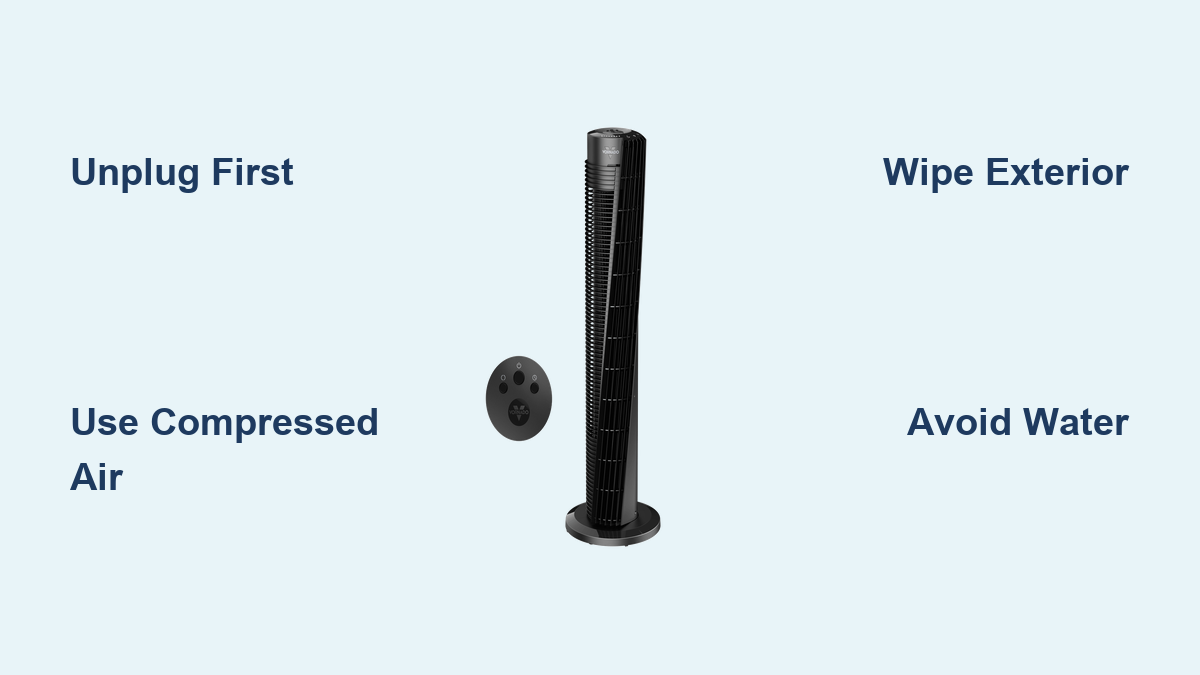
A handheld or tank-style air compressor can clear loose debris from vents and internal channels. Point the nozzle at intake and exhaust grilles while rotating the fan. Use short bursts to avoid overheating the motor.
Brush Ventilation Holes Gently
Insert a thin brush or pipe cleaner into front and rear vents to dislodge surface dust. This won’t reach the impeller, but it improves airflow over time. Pair with regular microfiber wiping of the exterior.
Wipe the Exterior Weekly
Prevent buildup by wiping down the tower with a dry or slightly damp cloth every week. Focus on the top vents and base openings where dust enters most easily.
How to Avoid Damaging Your Vornado Fan While Cleaning
Even careful users can damage their fan if they skip safety steps or use improper techniques.
Never Use Water or Dishwashers
Do not submerge any part of the fan in water. Moisture can ruin the motor or create electrical hazards. Similarly, never put fan components in a dishwasher, even on a no-heat cycle. The heat and detergents degrade plastic and seals.
Avoid Harsh Chemicals
Stick to water and a microfiber cloth. Avoid Windex, bleach, or aerosol cleaners. These substances can cloud plastic finishes or corrode internal components over time.
Protect Plastic Threads
When removing or installing screws, apply steady, light pressure. If resistance increases, stop. Forcing can strip threads. Use the correct screwdriver size to prevent cam-out and damage.
Signs Your Vornado Fan Needs Cleaning: Performance Indicators
Waiting too long reduces efficiency and increases health risks. Know the signs that your Vornado needs attention.
Airflow Feels Weaker
If the fan isn’t moving air like it used to, dust is likely blocking the intake, impeller, or exhaust. Cleaning often restores near-original performance.
Noise Has Increased
Unbalanced blades from uneven dust accumulation cause vibration and humming. A thorough clean can silence the fan and prevent motor strain.
You’re Coughing While It Runs
Thick, clumpy dust inside the fan gets blown into the air. If you or family members experience irritation, it’s a clear sign of internal buildup and a strong reason to clean deeply.
Proper Reassembly of Vornado Tower Fans: Avoiding Rattles and Issues

Putting the unit back together is as challenging as taking it apart. Misalignment can cause rattling or structural weakness.
Align Housing Halves Precisely
The two main panels fit together like a jigsaw puzzle. Line up all edges and corners before pressing. If it resists, don’t force it. Check for misaligned wires or obstructions first.
Test Without All Screws First
Some users report no rattling even without reinstalling all vent screws, thanks to the tight mortise-and-tenon fit. Test operation first. Save all screws. If vibration appears later, you can add them back.
Check for Buzzing or Rattling
Run the fan at all speeds after reassembly. Listen for unusual sounds. If present, power off immediately and recheck alignment or loose internal parts.
Maintaining Your Vornado Fan: Cleaning Frequency and Best Practices
Consistent upkeep prevents major cleaning jobs and extends your fan’s lifespan.
Clean Annually at Minimum
Even in low-dust homes, clean your Vornado at least once a year. Spring is ideal, right before heavy summer use begins.
More Often in Dusty Environments
Pet owners, construction zones, or dry climates require cleaning every three to six months. High usage accelerates dust accumulation significantly.
Always Clean Before Storing
Always clean the fan before packing it away for months. Residual dust hardens over time and becomes much harder to remove later.
How Cleaning Your Vornado Fan Improves Air Quality and Efficiency
A clean fan doesn’t just run quieter. It works better and healthier.
Restore Maximum Airflow
Dust on blades and in vents disrupts Vornado’s signature vortex airflow. Cleaning removes obstructions, letting the fan circulate air more effectively across rooms.
Reduce Motor Strain
A clogged motor housing forces the unit to work harder, increasing heat and wear. Clearing dust helps the motor run cooler and last longer.
Stop Circulating Allergens
Fans recirculate whatever sits on their blades. Removing dust, pollen, and pet dander improves indoor air quality, especially important for allergy sufferers.
Frequently Asked Questions About Cleaning Vornado Fans
Can I clean my Vornado tower fan without taking it apart?
Yes. You can use compressed air to blow loose dust from vents or brush visible surfaces. However, this only addresses surface dust. Deep buildup on the impeller requires full disassembly, which carries significant risk on tower models.
How often should I clean my Vornado fan?
Clean your Vornado at least once a year. In dusty homes, with pets, or during heavy summer use, clean every three to six months for optimal performance.
What happens if I don’t clean my Vornado fan?
Neglected fans experience reduced airflow, increased noise, and motor strain. More importantly, they circulate accumulated dust, pollen, and allergens into your home, potentially causing respiratory irritation.
Can I use water to clean my Vornado fan?
Use a damp microfiber cloth only. Never submerge any fan component in water, and never place parts in a dishwasher. Moisture can damage the motor and create electrical hazards.
Why does Vornado say tower fans aren’t user-serviceable?
Tower fans like the OSCR37 use tight joints, hidden screws, and integrated components that make disassembly risky. Improper opening can crack housing, damage wiring, or void the warranty.
What’s the difference between cleaning a circulator vs. a tower fan?
Circulator models like the 660 have removable cowlings secured by three visible screws, allowing full access to blades in minutes. Tower fans require extensive teardown with specialized tools and carry high risk of damage during reassembly.
Key Takeaways for Cleaning Your Vornado Tower Fan
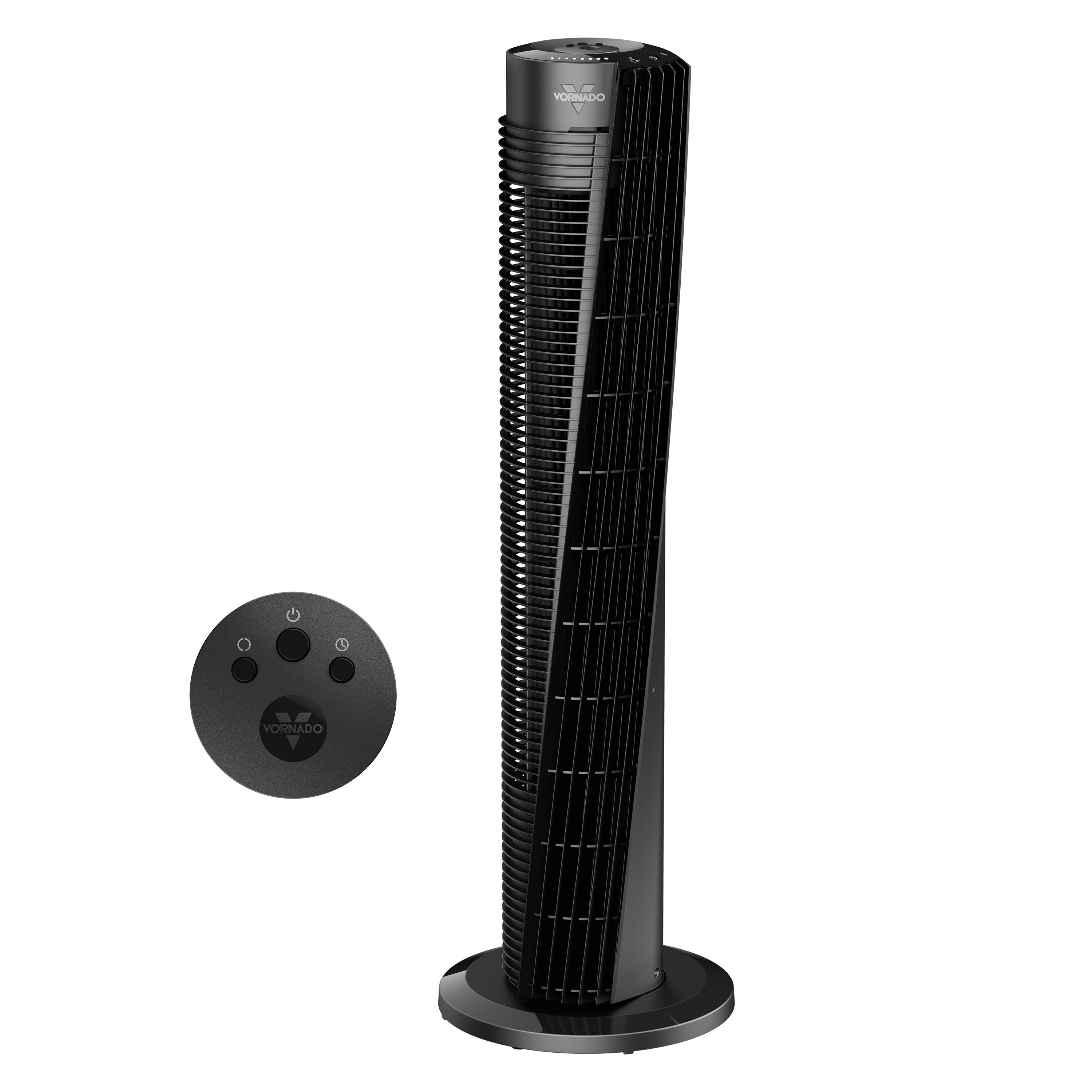
Cleaning a Vornado tower fan like the OSCR37 is difficult by design, but not impossible. For circulator models, it’s a quick, safe process requiring only a small screwdriver. For tower models, weigh the risks carefully. Non-invasive methods like compressed air and brushing help maintain surface cleanliness, but only full disassembly removes deep buildup from the impeller. Always unplug first, use only water and soft tools, and never force parts. With proper care and regular maintenance, your Vornado will deliver powerful, clean airflow for years.