How to Choose a Tower Fan
Nothing beats the relief of a cool breeze on a hot day, especially when it flows quietly, efficiently, and evenly across your entire room. Tower fans offer sleek, space-saving designs that circulate air throughout entire spaces, unlike bulky pedestal fans or limited desk models. The key to choosing the right tower fan lies in understanding your real needs: Is it powerful airflow you want, or whisper-quiet operation for sleep?
This guide cuts through the confusion to help you make an informed decision based on performance data, user priorities, and real-world use cases. You will learn how to match a fan’s airflow power, noise level, energy use, and cleaning ease to your room size and lifestyle. We will break down what specs like CFM and decibels actually mean, which features are worth paying for, and which models stand out across different needs.
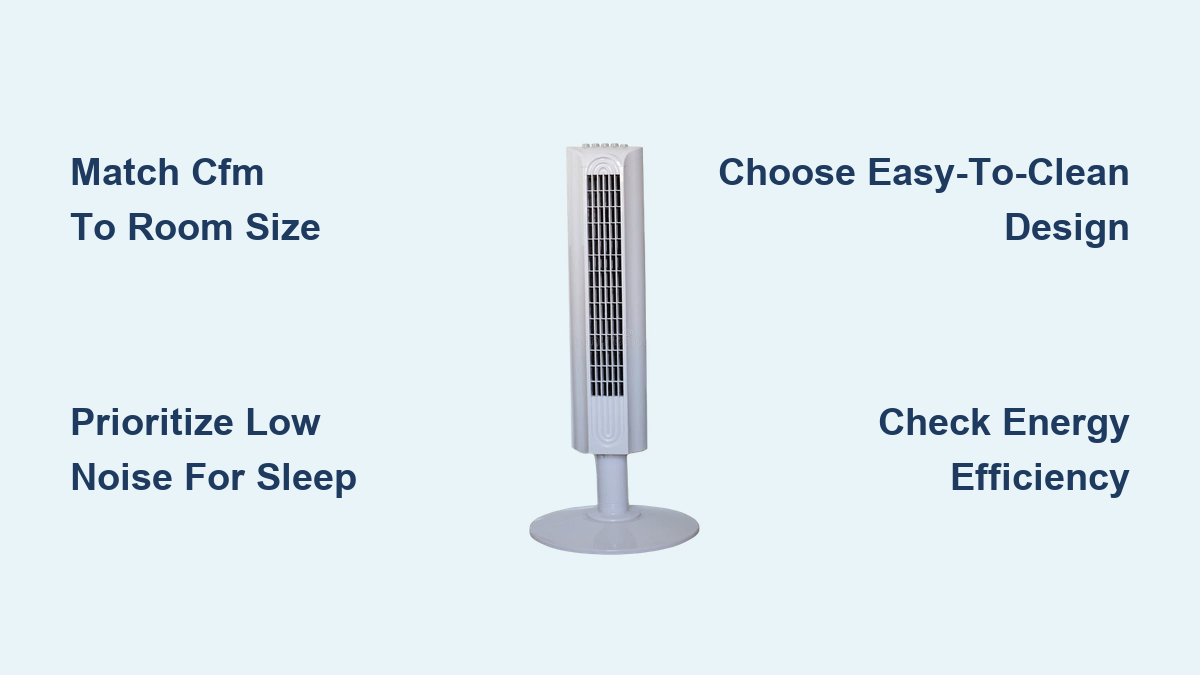
Match Fan Power to Room Size

Choosing a tower fan without considering room size is like buying shoes without trying them on. The right fan moves enough air to refresh the entire room, not just the spot in front of it. CFM (Cubic Feet per Minute) and thrust (measured in Newtons) are your most important guides.
Small Rooms: Keep It Simple
For bedrooms or offices under 150 square feet, you do not need brute force. A fan with 250 to 400 CFM and 0.6 to 0.8 N thrust is more than enough. Overpowering a small space leads to unnecessary noise and energy waste.
The Levoit Classic 36″ (268.3 CFM, 0.66 N) is ideal here. It is quiet, energy-efficient, and easy to clean, making it perfect for light sleepers and allergy sufferers.
Medium Rooms: Balance Power and Quiet
Spaces between 150 and 300 square feet, like dens or master bedrooms, need stronger airflow without sacrificing comfort. Look for models delivering 400 to 550 CFM and 0.8 to 1.0 N thrust.
The Dreo Cruiser Pro T1 (508.8 CFM, 1.02 N) shines in this range. It offers strong circulation and a nighttime mode that dims the display and silences button beeps, ideal for late-night adjustments.
Large Rooms: Prioritize High Output
Open-plan living areas, lofts, or rooms over 300 square feet demand serious power. Fans with over 700 CFM and 1.1 N-plus thrust are built for this.
The Vornado OSC84 (41″) delivers 786.3 CFM and 1.14 N, pushing air over 60 feet and circulating it corner to corner. While loud (57.2 dBA), it is unmatched for large or hard-to-cool spaces.
Pro Tip: If your room is long or narrow, like a hallway, focus on thrust over CFM. High-thrust fans like the Vornado or Dreo Cruiser Pro create forward momentum, moving air down corridors more effectively than wider, weaker flows.
Prioritize Low Noise for Bedrooms
.png)
If you are using a tower fan in a bedroom, noise level is non-negotiable. A fan that cools well but sounds like a jet engine defeats the purpose when you are trying to sleep.
Know the Decibel Scale
Understanding decibel ratings helps you set realistic expectations.
- Under 30 dB: Whisper-quiet, ideal for sleep (comparable to a quiet library)
- 30 to 45 dB: Moderate, acceptable for background use but may disturb light sleepers
- Over 50 dB: Loud and noticeable in quiet rooms, may require turning up the TV or music
The Dreo Pilot Max S and Dreo Cruiser Pro T3 operate as low as 25 to 28 dB in sleep mode, thanks to brushless DC motors. These are top picks for noise-sensitive environments.
Avoid Annoying Sound Qualities
Volume is not the only issue. Sound quality matters just as much. Some fans emit a high-pitched whine, electrical buzz, or rattling that is more disruptive than a steady airflow noise.
The Lasko Wind Curve and Dreo Nomad One have been criticized for this. In contrast, fans like the Levoit Classic 36″ produce a smooth, white-noise-like hum that many find soothing.
Look for Sleep-Specific Features
Even if a fan is quiet, small details can ruin a good night is rest.
- Mute function: Silences button beeps when adjusting settings
- Auto-dimming display: Prevents bright LED lights from glowing in a dark room
- Sleep mode: Gradually reduces speed after 30 to 60 minutes as the room cools
The Dreo Cruiser Pro T1 includes all three, making it a strong contender even if slightly louder than ultra-quiet models.
Warning: Do not rely solely on manufacturer claims. Independent tests show some fans labeled “quiet” actually exceed 50 dB at high speeds. Always check verified dBA ratings from trusted sources.
Evaluate Energy Use and Running Costs
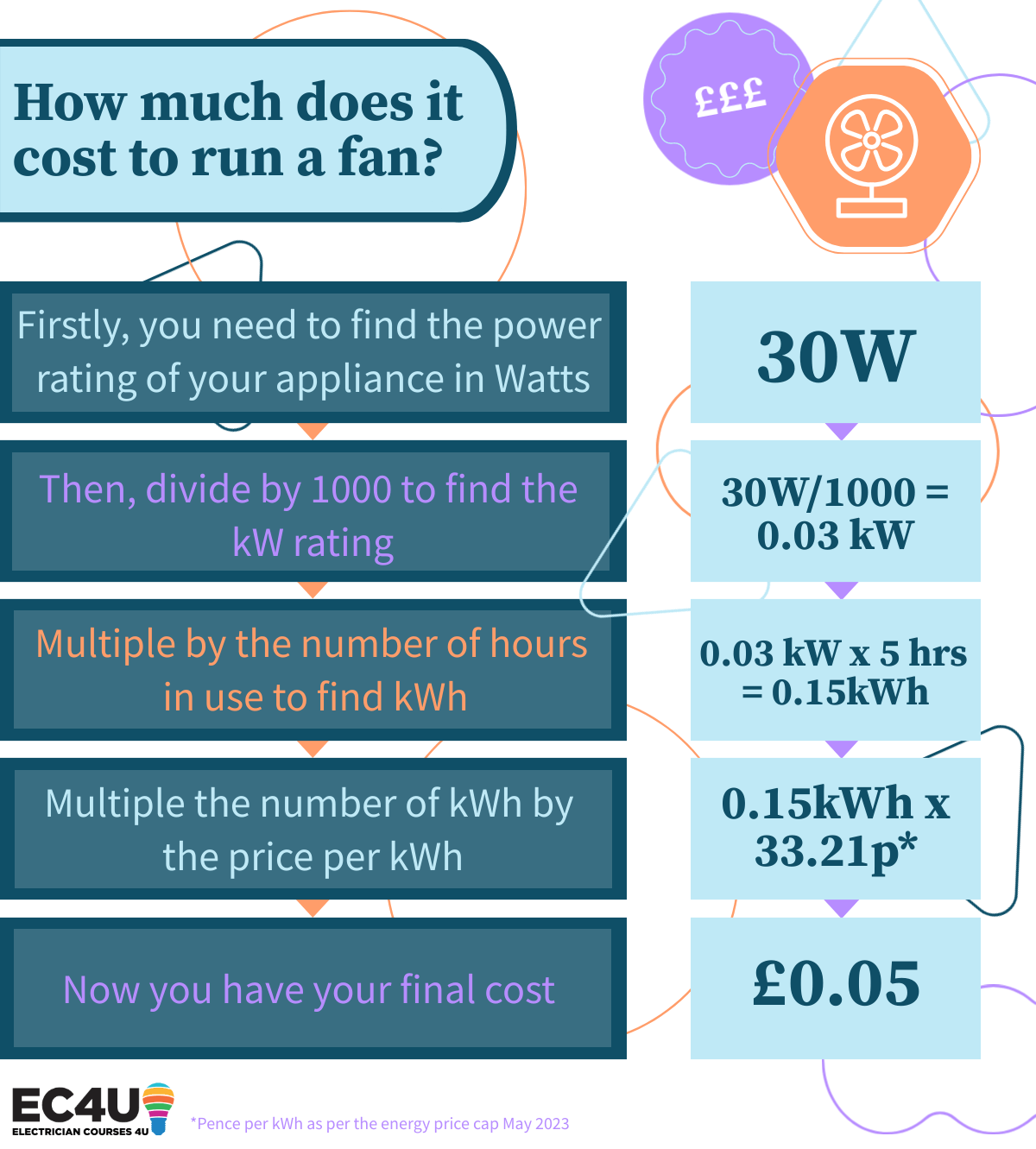
While tower fans are generally efficient, energy consumption varies widely. Over a summer, the difference can add up significantly.
Compare Seasonal Operating Costs
Assuming 12 hours of daily use over 90 days, here is how the costs break down.
- Levoit Classic 36″: Uses 0.033 kWh, costing $5.81 per summer
- Dreo Cruiser Pro T1 and Pelonis 40″: Use 0.047 kWh, costing $8.13
- Vornado 184: Uses 0.083 kWh, costing $14.53, more than double the Levoit
For homes with multiple fans or 24/7 use, choosing efficient models saves meaningful money over time.
Check the Efficiency Ratio
The best fans deliver maximum airflow per watt. The Dreo Cruiser Pro T1 leads here, offering high thrust (1.02 N) with moderate power draw, making it both strong and efficient. The Vornado, while powerful, uses nearly twice the electricity for only 50% more airflow.
Smart Move: If you plan to run your fan constantly, prioritize models with DC motors (like Dreo is brushless DC units). They use up to 60% less energy than traditional AC motors and often come with smart speed controls.
Ensure Easy Cleaning and Maintenance
A dirty fan does not just look bad. It circulates dust, reduces airflow, and can trigger allergies. Yet many tower fans are nearly impossible to clean without special tools.
Top Models for Easy Cleaning
These models stand out for straightforward maintenance.
- Levoit Classic 36″: Rear grille pops off in seconds, no tools needed. Wipe or vacuum the propeller and housing with ease.
- Dreo Nomad One: Similarly simple disassembly, great for weekly maintenance.
- Dreo Cruiser Pro T1: Requires pressing hidden tabs to remove the back panel. Tricky at first but manageable after the first time.
Avoid Hard-to-Clean Designs
Some brands, like Honeywell QuietSet and Lasko Wind Curve, use Torx security screws or complex latches that require a special screwdriver. Worse, some manuals explicitly warn against user disassembly, leaving you helpless when dust builds up.
Allergy Alert: If you or a household member has asthma or allergies, easy access to internal blades is essential. Dust trapped inside gets blown into the air every time the fan runs. Choose a model you can actually clean, not just wipe down on the outside.
Choose the Right Features for Your Needs

Modern tower fans come with more than just speed settings. But not all features are worth the extra cost. Here is what actually matters.
Oscillation: Wider Is Better
- 90° oscillation: Standard, covers most rectangular rooms.
- 120° oscillation: Found on models like the Dreo Pilot Max S. Ideal for large or irregularly shaped rooms, ensuring airflow reaches corners.
- Vertical oscillation: Some fans let you angle airflow up or down. Useful for directing cool air toward seating areas.
Remote Control and Storage
A remote is essential for bedroom use. But look for onboard storage. Nothing is more frustrating than losing it under the couch. The Levoit Classic 36″ has a magnetic slot on the base to keep the remote secure.
Smart Features: Worth It?
Wi-Fi, app control, and voice assistant support (Alexa/Google) are growing in popularity. The Dreo Pilot Max S offers app scheduling, auto-mode that adjusts speed based on room temperature, and remote activation before you get home.
These are luxury features, not necessities. But for tech lovers or those who want hands-free control, they add real convenience.
Timer and Auto Modes
- Timer: Lets you set the fan to turn off after 1 to 8 hours. Great for falling asleep without running all night.
- Natural/Breeze Mode: Varies speed randomly to mimic outdoor wind, preventing a stale, mechanical feel.
- Sleep Mode: Automatically reduces speed after 30 minutes as the room cools.
Consider Safety and Build Quality
A tower fan should be stable, durable, and safe, especially in homes with kids or pets.
Stability Matters
Tall, narrow designs can tip over on thick carpet or if bumped. Look for these stability features.
- Wide, heavy base: Prevents wobbling
- Low center of gravity: Keeps the fan upright during oscillation
Cheaper models often feel flimsy. The Pelonis 40″ is powerful but can feel unsteady on plush rugs.
Blade Safety
Most tower fans have enclosed blades, making them safer than pedestal fans. But bladeless models like the Uze Fi take it further with smooth airflow and zero exposed moving parts, ideal for homes with curious children or pets.
Build Materials
- Durable plastic or metal housing: Resists cracking and discoloration over time
- Smooth finish: Easier to wipe clean and less likely to show fingerprints
Avoid fans with brittle plastic that feels thin or creaks when touched.
Compare Tower Fans vs. Alternatives

Not sure a tower fan is right for you? Here is how they stack up against other options.
Tower vs. Pedestal Fans
| Feature | Tower Fan | Pedestal Fan |
|---|---|---|
| Footprint | Slim (20-23 cm wide) | Bulky (46-51 cm wide) |
| Airflow | Broad, gentle circulation | Direct, high-velocity spot cooling |
| Aesthetics | Modern, discreet | Industrial, obtrusive |
| Price | $75-$135 average | $60-$86 average |
Choose tower fans for space-saving design and whole-room airflow. Choose pedestal fans if you want intense, targeted cooling (at a desk) and do not mind the size.
Tower vs. Desk Fans
Desk fans are great for personal cooling but cannot circulate air in a full room. Tower fans serve as a primary cooling source, not just a personal accessory.
Match Models to Your Lifestyle
The best fan is not the most powerful or expensive. It is the one that fits your life.
Light Sleepers: Go Ultra-Quiet
Best Pick: Dreo Pilot Max S or Levoit Classic 36″
Both operate under 30 dB in sleep mode. They include mute functions and dimming displays. The smooth, non-disruptive airflow helps you stay asleep.
Large Rooms: Maximize Airflow
Best Pick: Vornado OSC84 or Dreo Cruiser Pro T1
These offer high CFM and thrust for long-distance cooling. Wide oscillation covers large footprints. They are built to handle open-plan and multi-use spaces.
Allergy Sufferers: Cleanability Is Key
Best Pick: Levoit Classic 36″ or Dreo Nomad One
These models feature easy disassembly without tools. Simple access to blades and filters prevents dust buildup and recirculation.
Tech Enthusiasts: Smart Control Wins
Best Pick: Dreo Pilot Max S
This model offers app and voice control. Auto-sensing temperature mode adjusts automatically. It integrates seamlessly with smart home systems.
Budget Buyers: Value Over Flash
Best Pick: Pelonis 40″ or Levoit Classic 36″
Both cost under $70. They deliver strong performance for the price. The Levoit offers particularly low energy use.
Know the Price vs. Value Trade-Off
Tower fans range from $40 to $800, but you do not need to spend big for quality.
Entry Level ($40-$70)
- Pros: Affordable, basic cooling, oscillation
- Cons: No mute function, hard to clean, higher noise
- Example: Pelonis 40″ is powerful for the price but lacks smart features
Mid-Range ($75-$110)
- Pros: Best balance of quiet, power, and features
- Cons: Fewer premium materials
- Example: Levoit Classic 36″ and Dreo Cruiser Pro T1 are top picks for most users
Premium ($110+)
- Pros: DC motors, app control, superior build, ultra-quiet modes
- Cons: Higher upfront cost
- Example: Dreo Pilot Max S and Vornado OSC84 are worth it for specific needs
Bottom Line: A $90 fan with low energy use and easy cleaning often outperforms and outlasts a $50 model. Invest where it matters: efficiency, durability, and usability.
Frequently Asked Questions About Choosing a Tower Fan
What is the most important spec to look for in a tower fan?
The most important specs are CFM (airflow volume) and thrust (air movement force), measured in Newtons. Match these to your room size. Small rooms need 250 to 400 CFM, medium rooms need 400 to 550 CFM, and large rooms need over 700 CFM.
How do I know if a tower fan is quiet enough for a bedroom?
Look for fans operating under 30 dB for sleep environments. Check independent test ratings, not just manufacturer claims. Also consider sound quality. White noise is generally preferred over whining, buzzing, or rattling sounds.
Are tower fans more energy-efficient than pedestal fans?
Tower fans generally consume similar amounts of energy to pedestal fans, but efficiency varies by model. The Levoit Classic 36″ uses only 0.033 kWh, costing about $5.81 per summer. High-power models like the Vornado use nearly double that amount.
Can I clean all tower fans easily?
No. Some models use security screws or explicitly warn against user disassembly. The Levoit Classic 36″ and Dreo Nomad One are the easiest to clean. Avoid Honeywell QuietSet and Lasko Wind Curve if easy cleaning is a priority.
What features do light sleepers need in a tower fan?
Light sleepers should prioritize fans with sleep mode (gradually reduces speed), auto-dimming displays, and mute functions for button beeps. The Dreo Pilot Max S and Levoit Classic 36″ excel in all three areas.
Is a smart tower fan worth the extra cost?
Smart features like app control, voice integration, and temperature-sensing auto-mode are convenience add-ons, not necessities. They are worth it for tech enthusiasts but not required for basic cooling needs.
Key Takeaways for Choosing the Right Tower Fan
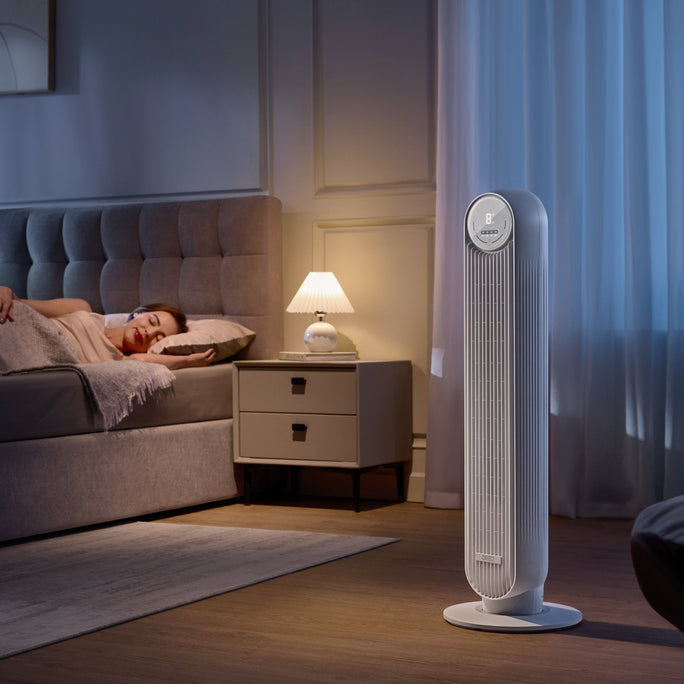
Choosing the right tower fan comes down to matching performance specs to your room size, lifestyle, and budget. Do not chase horsepower in a small bedroom. Do not ignore noise if you are a light sleeper. And never buy a fan you cannot clean.
For small rooms and bedrooms, the Levoit Classic 36″ delivers the best balance of quiet operation, easy cleaning, and low energy costs. For large spaces needing powerful circulation, the Vornado OSC84 or Dreo Cruiser Pro T1 are worth the investment. Allergy sufferers should prioritize models with tool-free disassembly, while tech lovers will appreciate the smart features of the Dreo Pilot Max S.
Use this guide to prioritize what matters most for your situation. Then pick the model that delivers. Stay cool, save energy, and breathe easy all summer long.