Pros and Cons of Using a Neck Fan
If you have ever stepped outside on a sweltering summer day and felt your body heat spike within seconds, you know how crucial personal cooling can be. Neck fans offer hands-free relief from heat, blending the convenience of headphones with the functionality of a personal cooling device. These wearables have surged in popularity among outdoor workers, travelers, and those managing hot flashes. But are they worth the investment?
This guide breaks down the real pros and cons of using a neck fan based on extensive testing of over 15 models. From noise levels and battery life to comfort and actual cooling power, we will help you decide whether this gadget delivers lasting value or just a fleeting breeze.
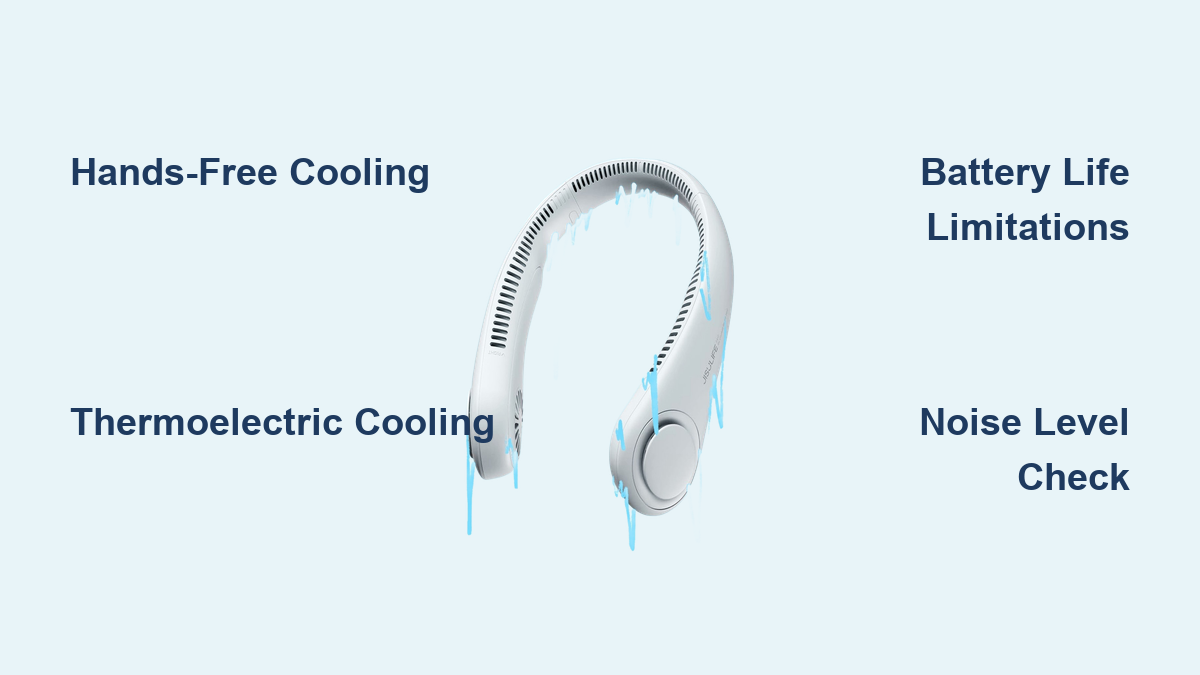
Hands-Free Personal Cooling
One of the biggest advantages of a neck fan is that it leaves your hands completely free. Unlike handheld fans or misting bottles, you can wear it while walking the dog, pushing a stroller, commuting, or working outdoors. This makes it ideal for landscapers, delivery workers, or anyone spending long hours in hot environments without easy access to shade.
Users report being able to focus better on physical tasks because they are not juggling cooling tools. Whether you are gardening, cycling, or navigating a crowded festival, the neck fan stays in place, providing consistent airflow without requiring active use.
Targets High-Impact Cooling Zones

The neck houses major blood vessels like the carotid arteries. By cooling this area, neck fans help reduce your perceived body temperature more effectively than cooling random body parts. Premium models enhance this with conductive cooling plates that reach as low as 52°F, creating a microclimate around your head and neck.
Even basic bladeless fans improve comfort by directing air upward toward the face, accelerating sweat evaporation. This wind chill effect can make a 90°F day feel significantly cooler, though effectiveness drops in high humidity where sweat does not evaporate easily.
Ideal for Sensitive Temperature Groups
People experiencing menopause, hyperhidrosis, or temperature dysregulation due to medical conditions often find neck fans life-changing. The instant cooling during a hot flash provides fast, discreet relief without needing to retreat indoors.
Travelers to tropical climates and city dwellers without air conditioning also benefit. Since most models are TSA-compliant and lightweight, they are easy to pack and use on planes, trains, or in stuffy hotel rooms.
Real-World Cooling Performance
Neck fans shine when ambient temperatures stay below 90°F. In shaded outdoor areas or warm indoor spaces, users consistently report feeling several degrees cooler. Testing shows thermoelectric models can drop skin temperature near the neck by up to 10 to 15°F within minutes.
The Torras Coolify 2S Pro reaches 52°F in just 4 minutes and maintains it with minimal noise. In environments like offices, kitchens, or patios under an umbrella, this level of cooling significantly improves comfort and productivity.
Limited in Extreme Heat and Humidity
When temperatures climb above 90°F, especially in direct sunlight, even the best neck fans struggle. Cooling plates lose their temperature differential against hot skin, and airflow begins to feel like a blast of warm air instead of a refreshing breeze.
High humidity further reduces effectiveness. Since standard fans rely on evaporative cooling, they are less efficient when the air is already saturated with moisture. While thermoelectric models mitigate this with conductive cooling, they still cannot stop sweating in midday sun.
Testing in Houston summers confirmed that neck fans are better than nothing, but should be paired with hydration, shade, and breathable clothing for serious heat protection.
Indoor vs. Outdoor Effectiveness

Neck fans perform differently depending on the environment:
• Indoors: High effectiveness in offices, kitchens, non-AC homes, and warehouses
• Shaded outdoors: Moderate to high effectiveness for walking pets, outdoor dining, and events under tents
• Direct sun or extreme heat: Low effectiveness; suitable only for short exposure and not a substitute for AC
Noise, Weight, and Comfort Trade-Offs
Noise is one of the most common complaints, especially with budget models. The Staholz Portable AC hits 70 dB on high, comparable to a vacuum cleaner, making it disruptive in quiet settings like libraries or offices.
In contrast, premium models like the Torras Coolify 2S Pro operate at just 58 dB, similar to a quiet conversation. They also feature pivoting or folding hinges that allow precise positioning, ensuring the airflow goes where you need it without pressing against your spine.
These design upgrades make a huge difference in long-term wearability, especially for all-day use.
Budget Options Often Sacrifice Comfort
Cheaper neck fans typically use flexible plastic arms that do not lock into place. This can cause them to slip, press uncomfortably on larger necks, or dig into the base of the skull. Some users report neck strain after 30 minutes or more of use.
Additionally, rigid designs like the OVIFM Neck Fan lack true hinges and have a loose fit, reducing both stability and cooling efficiency. Without proper adjustability, the fan may blow air too high or too low, missing the optimal cooling zones.
Weight Matters for All-Day Wear
Neck fans range from 9.6 oz to 17.3 oz, about the weight of a small paperback book. While this may not sound heavy, wearing it for hours can cause fatigue, especially if the weight is not evenly distributed.
Lighter models are preferred for extended wear, but they often lack multiple cooling plates or advanced features. Finding the right balance between cooling power and comfort is key.
Battery Life and Charging Realities

Do not be fooled by big battery claims. While some models advertise 6,000 mAh batteries, active thermoelectric cooling typically lasts only 2 to 3 hours on max settings.
The Staholz Portable AC provides 2 to 3 hours with cooling and fan combined. The OVIFM runs about 2.5 hours at full power. Torras Coolify models have no internal battery and require constant pass-through charging.
For all-day use, you will need a power bank or USB outlet. Relying solely on built-in batteries limits real-world usability, especially during long outdoor events.
Pass-Through Charging Is Essential
The ability to use the fan while charging is a must-have feature. It allows indefinite runtime when connected to a portable charger.
Unfortunately, not all models support it. The OVIFM Neck Fan cannot be used while charging, making it impractical for extended outdoor use. Always check product specs before buying.
Fan-Only Mode Extends Runtime
When cooling plates are off, battery life jumps dramatically. Jisulife Bladeless offers up to 16 hours on low settings. Respiray models advertise up to 17 hours.
This makes fan-only modes ideal for humid climates where wind chill is more effective than active cooling.
Build Quality and Market Challenges
The market is flooded with low-cost, no-name brands selling nearly identical units from the same Chinese factories. These often lack serial numbers, safety certifications, or customer support.
Premium brands like Torras and Ranvoo stand out for higher-grade plastics and matte finishes, durable hinges and locking mechanisms, inclusion of travel cases, and at least a 1-year warranty.
Testing shows premium models last longer and perform more consistently over time.
Budget Models Risk Early Failure
Many sub-$50 units suffer from poor quality control. Common issues include intermittent power issues, cooling plates failing after two weeks, buttons sticking or becoming unresponsive, and electrical shocks from faulty wiring.
One tested OVIFM unit stopped working entirely after 10 days of regular use. With no warranty or brand support, replacements are unlikely.
Avoid Fly-by-Night Amazon Brands
Many sellers use flashy packaging and fake reviews to mimic reputable brands. Always check for a US-based website, look for 3 or more years of verified reviews, and buy from Amazon directly rather than third-party sellers for easier returns.
If a deal seems too good to be true, like a $99 luxury thermoelectric fan, it probably is.
Cost vs. Value Analysis
Budget neck fans like the $39 OVIFM or $69 Staholz offer entry-level cooling but come with trade-offs. They tend to be louder, have poor fit and comfort, lack app or smart features, and have short lifespans.
They are fine for trial use or occasional outings, but not recommended for daily reliance.
Entry-Level Thermoelectric Options
Models like the Torras Coolify Air fall in the $100 to $150 range. They include one cooling plate, a heating function, analog controls, and no app connectivity.
This tier is good for users who want real cooling without the premium price, but it misses key comfort upgrades like adjustable hinges.
Premium Performance Tier
This is where neck fans truly deliver. Top picks include the Torras Coolify 2S Pro at $199, the Torras Coolify Cyber Fold at $239 on sale, and the Ranvoo AICE Lite Max at $199.
Benefits at this tier include 58 to 59 dB noise levels, enveloping cooling plates, app control and Bluetooth, folding and pivoting hinges, and travel cases included.
While expensive, these models offer noticeable improvements in comfort, quietness, and cooling consistency, justifying the cost for frequent users.
Key Limitations You Should Know
Despite marketing claims, neck fans are not portable air conditioners. They cannot lower ambient air temperature. Even the best models only cool a small area around the neck and face.
In extreme heat, they will not prevent sweating or replace the need for shade and hydration. Think of them as personal comfort aids, not climate control systems.
Fit Issues Can Ruin the Experience
A poorly fitting neck fan can cause neck strain, skin pinching from hinges, spine pressure from rigid backs, and slippage during movement.
Always prioritize adjustability. True hinges that lock into position outperform flexible bands every time.
Cooling Is Localized, Not Full-Body
These devices cool only the neck and face. Your torso, arms, and legs remain exposed to heat. For full-body relief, you will still need fans, AC, or cooling clothing.
However, because the brain perceives temperature based heavily on facial input, even localized cooling can make you feel significantly cooler overall.
Final Verdict: Who Should Buy One?
Buy If You
Neck fans are worth the investment if you work or exercise outdoors in moderate heat, experience hot flashes or temperature sensitivity, commute or travel frequently to warm climates, need hands-free cooling for daily tasks, and are willing to invest $175 or more for long-term use.
Skip If You
You should skip a neck fan if you expect it to replace air conditioning, spend hours in direct sun above 90°F, are on a tight budget and cannot risk poor quality, need silent operation in quiet environments, or have a larger neck size and struggle with fit.
Best Models by Use Case
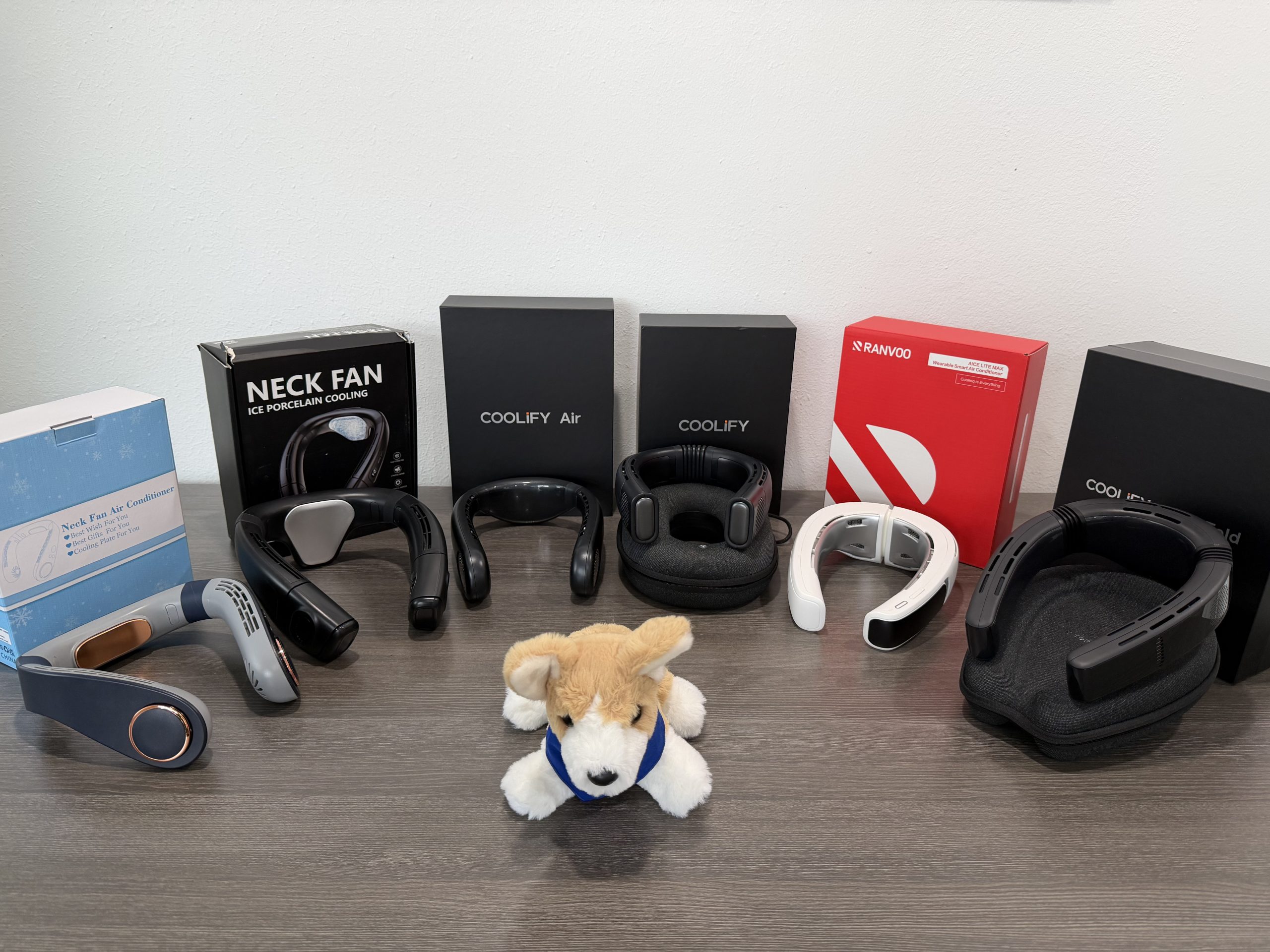
Different models excel for different needs:
• Best Overall: Torras Coolify 2S Pro for quiet operation, adjustability, reliability, and app-enabled features
• Most Innovative: Torras Coolify Cyber Fold for three cooling plates and folding hinges
• Best Budget Pick: Staholz Portable AC for its $50 price point, 6,000 mAh battery, and pass-through charging
• Longest Runtime: Respiray for up to 17 hours fan-only operation and very quiet performance
• Best for Travel: Jisulife Bladeless for lightweight design, TSA-friendliness, and 16-hour battery life
Frequently Asked Questions About Neck Fans
Do neck fans actually cool you down?
Yes, neck fans do provide real cooling, but with limitations. Premium thermoelectric models can lower skin temperature near the neck by 10 to 15°F through conductive cooling plates. Standard bladeless fans rely on wind chill to accelerate sweat evaporation. Both types work best in temperatures below 90°F and may feel ineffective in extreme heat or high humidity.
How long does the battery last on a neck fan?
Battery life varies significantly by model and usage. Active thermoelectric cooling typically lasts 2 to 3 hours on maximum settings. Fan-only mode extends runtime dramatically, with some models offering 16 to 17 hours on low settings. For all-day use, look for models with pass-through charging capability and plan to use a power bank.
Are neck fans worth the money?
Neck fans are worth the money if you need hands-free cooling in moderate conditions and are willing to invest in a premium model. Budget options under $50 often have poor build quality, high noise levels, and short lifespans. Premium models at $175 or more deliver significantly better comfort, quieter operation, and reliable performance, making them worthwhile for frequent users.
Can I use a neck fan while exercising?
Neck fans can be used for light exercise like walking or gardening, but vigorous exercise may cause discomfort. The weight of the device, fit against the neck, and body movement can create friction or slippage. Some users find the added heat from physical activity overwhelms the cooling capacity. If you need cooling during intense workouts, consider alternative solutions like cooling vests.
Are neck fans safe to use?
Neck fans are generally safe when used as directed. Bladeless designs eliminate the risk of hair or clothing entanglement. However, some budget models have reported electrical issues or poor wiring. To ensure safety, purchase from reputable brands with warranties, avoid extremely cheap models with no certifications, and check for US-based customer support.
Key Takeaways for Choosing a Neck Fan
Neck fans represent a significant upgrade from handheld coolers, offering real comfort for people who need mobility and discretion. They work best in moderate conditions, require external power for all-day use, and cost more than they look.
The most important factors to consider are cooling technology (thermoelectric vs. bladeless), noise level (aim for under 60 dB), battery life and pass-through charging capability, adjustability and hinge quality, and brand reputation with warranty support.
For the right user, someone who values hands-free targeted cooling, a premium neck fan can be a game-changer. Just remember to pair it with water, shade, and light clothing for full heat protection.