Benefits of Using a Portable Fan
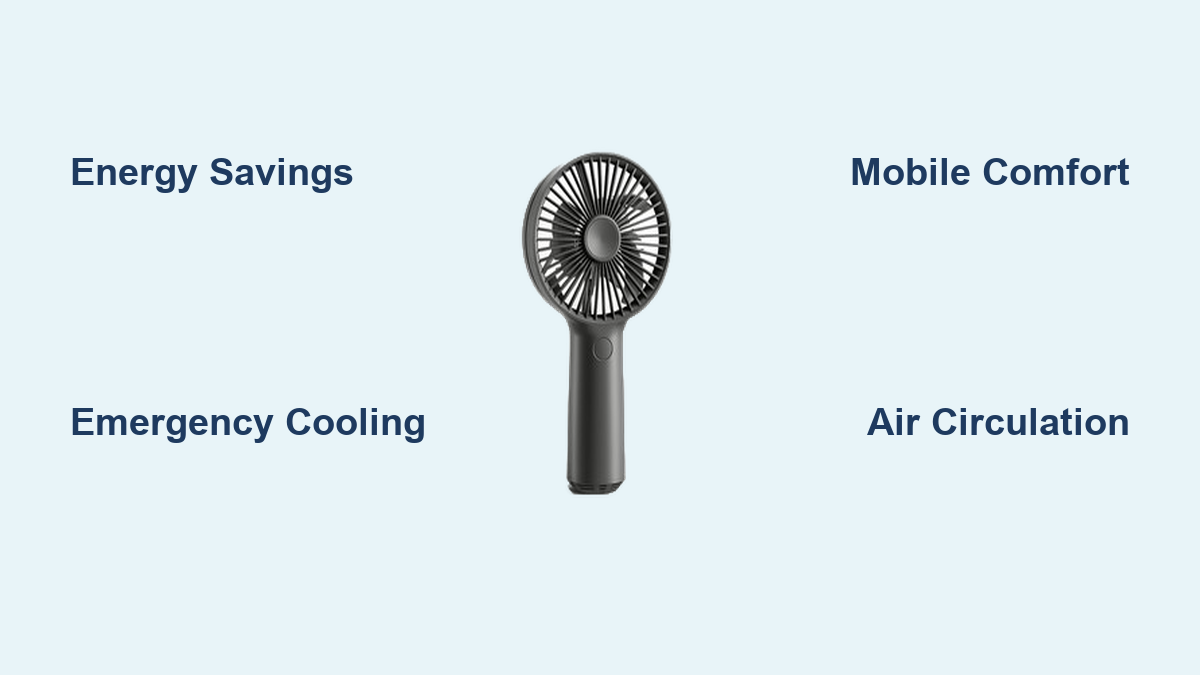
Staying cool does not require expensive air conditioning systems. Portable fans deliver targeted, personal cooling exactly where you need it, whether you are at your desk, in a tent, or dealing with a power outage. These compact devices use wind chill and evaporative cooling to make you feel up to 10°F cooler without lowering the thermostat. The benefits of portable fans extend far beyond basic comfort, including energy savings, improved air circulation, and emergency preparedness value.
How Portable Fans Create Cooling Comfort
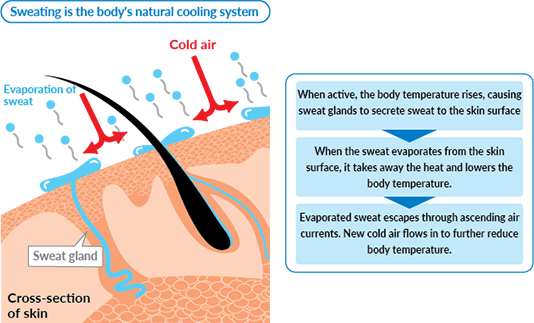
Portable fans do not lower room temperature, but they make you feel significantly cooler through evaporative cooling. When air moves across your skin, it accelerates sweat evaporation, a natural process that pulls heat away from your body. This effect can make you feel 5-10°F cooler than the actual air temperature, even in hot conditions.
Wind Chill Effect Explained
Moving air speeds up moisture evaporation on your skin, creating a cooling sensation even in warm environments. The faster the airflow, the more moisture evaporates and the greater the cooling sensation. This is why a small handheld fan can bring instant relief during a heatwave or stuffy commute.
Targeted Cooling vs. Whole-Room Systems
Traditional cooling wastes energy on unoccupied spaces, but portable fans focus airflow directly on you for instant comfort. This precision approach cools the person rather than the room, delivering results in seconds rather than minutes.
Energy Savings and Cost Benefits
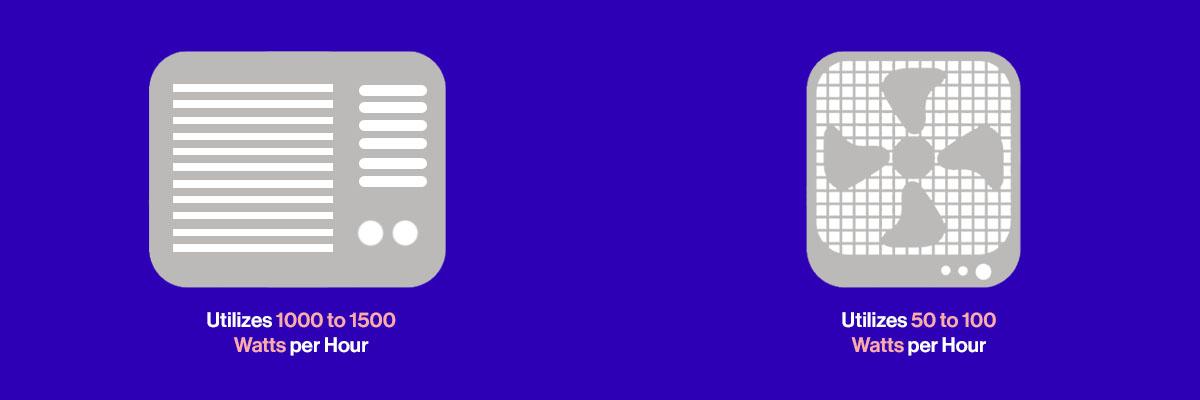
One of the biggest benefits of portable fans is their minimal power consumption. While air conditioners draw 1,000-3,500 watts, most portable fans use only 5-25 watts. This represents up to 99% less energy, translating to real savings on your electric bill over summer months.
Cutting Electricity Costs
A $20 portable fan running for 8 hours a day costs just pennies compared to the $50-$100 monthly spike from constant AC use. For budget-conscious households, this is an affordable way to beat the heat without financial strain.
Making Your AC Work Smarter
You do not have to choose between a fan and AC. Running a portable fan lets you raise your thermostat by 4-7°F while maintaining the same comfort level. The moving air enhances cooling on your skin, so you do not need the room to be as cold.
Emergency and Off-Grid Applications
When the grid fails during extreme heat, a battery-powered portable fan can be a life-saving device. Heat exhaustion and heat stroke are real risks, especially for seniors, children, and those with health conditions. A fan with a 20,000mAh battery can provide up to 60 hours of airflow on low speed, even without electricity.
Heat Emergency Preparedness
During hurricanes, wildfires, or blackouts, sustained cooling helps prevent dangerous overheating and supports better sleep. For families without generators, a $25 fan is a high-impact emergency preparedness investment.
Year-Round Utility
Portable fans are not just for summer. In winter, warm air rises and gets trapped near the ceiling. A portable fan near a fireplace or wood stove pushes that warm air back down, improving heat distribution and reducing cold spots.
Mobility and Lifestyle Flexibility
The core advantage of portable fans is mobility. Whether you are commuting, traveling, or moving between rooms, these devices go where you go. Mini handheld fans fit in purses or backpacks. USB-powered desk fans plug into laptops or power banks. No installation, no cords, no restrictions.
Cooling Anywhere You Go
For office workers, students, or parents at outdoor events, portable fans mean reliable cooling anywhere without depending on building HVAC systems. Carabiner-equipped models hang in tents or clip to strollers.
Perfect for Small Spaces
In dorms, apartments, RVs, or tiny homes, one device can cool your bed at night, your desk during work, and your kitchen while cooking. Many portable models operate below 30 dB, quiet enough for sleep or study.
Air Quality and Ventilation Benefits
Portable fans do more than cool. They improve indoor air quality by pulling stale air out of windows and creating negative pressure that draws fresh air in from other openings. This effectively ventilates your space without complex systems.
Removing Smoke and Odors
Place a fan in a window on exhaust mode, and it pulls out cooking smoke, pet odors, or damp air. After painting or cleaning, it helps dissipate fumes faster. For allergy sufferers, constant airflow reduces stuffiness and prevents stagnant air where allergens can accumulate.
Managing Humidity Feelings
In humid climates, the air feels heavy and oppressive. Portable fans reduce the feeling of humidity by increasing skin evaporation. In bathrooms, running a fan after showers helps dry surfaces faster, reducing mold and mildew risk.
Types of Portable Fans and Their Uses

The market offers diverse configurations, each optimized for specific needs. Understanding the main types helps you choose the right model for your lifestyle.
Mini Handheld Fans for Commutes
These ultra-compact fans fit in your palm and run on batteries or USB power. They are perfect for commuters, shoppers, or outdoor waiting. Most offer 2-4 hours of runtime and clip onto bags or strollers.
USB Desk Fans for Work and Study
Slightly larger than handhelds, these units sit on tables with flexible necks and multiple speed settings. Powered by laptops or power banks, they are perfect for offices and study sessions. Many include oscillation and quiet motors under 30 dB.
Rechargeable Battery Fans for Camping and Emergencies
Built for off-grid use, these fans feature high-capacity batteries up to 20,000mAh and rugged designs. They often include hanging hooks, carabiners, and solar charging options. The Ojiri F11 runs up to 60 hours and doubles as a power bank for phones.
Compact Box Fans for Room Circulation
At the larger end, models like the Lasko 20″ Box Fan offer high-volume airflow for small rooms. Steel construction and 3-speed settings make them durable and effective for kitchens, garages, or window ventilation.
Features That Matter Most

When evaluating portable fans, several specifications determine their suitability for specific needs.
Battery Life and Charging Speed
For emergency or outdoor use, battery capacity is critical. Entry-level models may last 2-4 hours. Premium units offer 20-60 hours. Look for Quick Charge 3.0 or Power Delivery 3.0 support for full recharges in under 4 hours.
Airflow Control and Noise Levels
Multiple speed settings let you balance power and noise. Adjustable oscillation spreads airflow across a wider area. For bedrooms or offices, fans under 30 dB are whisper-quiet.
Smart Extras and Safety
Timers let you run the fan while sleeping without wasting power. LED lights serve as emergency lanterns. Battery indicators help plan usage during outages. Safety features include enclosed blades, cool-touch materials, and stable bases.
Who Benefits From Portable Fans
The benefits of portable fans address diverse needs across multiple user groups.
Students and Office Workers
In dorms and open-plan offices, temperature control is often out of your hands. A portable fan gives personal cooling without conflict. For students pulling all-nighters, it improves focus and comfort.
Outdoor Enthusiasts and Travelers
Campers, hikers, and festival-goers rely on portable fans for hands-free relief. Long battery life and rugged builds make them ideal for adventure. In hot climates, they prevent overheating during hikes or long waits.
Seniors and Heat-Vulnerable Groups
Older adults and young children are more sensitive to heat. A portable fan provides immediate, adjustable cooling to prevent heat stress. During power outages, battery models offer critical protection.
Maintaining Your Fan for Long-Term Use
Regular maintenance ensures peak performance and extends the life of your portable fan.
Cleaning Blades and Grills
Dust buildup reduces airflow and strains the motor. Wipe down blades and grills weekly with a microfiber cloth. For tight spaces, use a soft brush or compressed air.
Battery Care for Rechargeable Models
For long-term storage, keep the battery at 50-70% charge. Fully drained or overcharged batteries degrade faster. Store in a cool, dry place away from direct sunlight.
Proper Storage and Protection
If your fan has a collapsible design, fold it when not in use to protect hinges and blades. Store in a protective case or pouch, especially for travel.
Frequently Asked Questions About Portable Fans
How much electricity do portable fans use?
Most portable fans consume only 5-25 watts, which is up to 99% less energy than air conditioners that use 1,000-3,500 watts.
Can portable fans cool a room?
Portable fans cool people, not rooms. They create a wind chill effect that makes you feel 5-10°F cooler through evaporative cooling.
How long do battery-powered portable fans last?
Battery life ranges from 2-4 hours in basic models to 60 hours in high-capacity units like the Ojiri F11.
Are portable fans safe for babies?
Yes, but choose models with enclosed blades, stable bases, and quiet operation below 30 dB.
Can I use a portable fan with air conditioning?
Yes. Using a fan with AC lets you raise the thermostat 4-7°F while maintaining comfort, reducing AC runtime and energy costs.
Key Takeaways on Portable Fan Benefits

The benefits of portable fans are clear. They are energy-efficient, affordable, mobile, and essential for both daily comfort and emergency resilience. These compact devices deliver outsized value, from cutting AC costs to preventing heat illness during power outages.
With models for every need, from $20 handhelds to feature-rich emergency units, there is a portable fan for every lifestyle. As climate extremes and power instability grow, their role as personal climate control tools will only become more vital. Invest in one today, and stay cool, safe, and comfortable anywhere.