How Portable Cooling Fans Work
You’re sweating through a heatwave, and your air conditioner just quit—or maybe you’re camping with no power at all. A portable cooling fan seems like the perfect fix. But how does it actually work? More importantly, will it really cool you down—or just blow hot air?
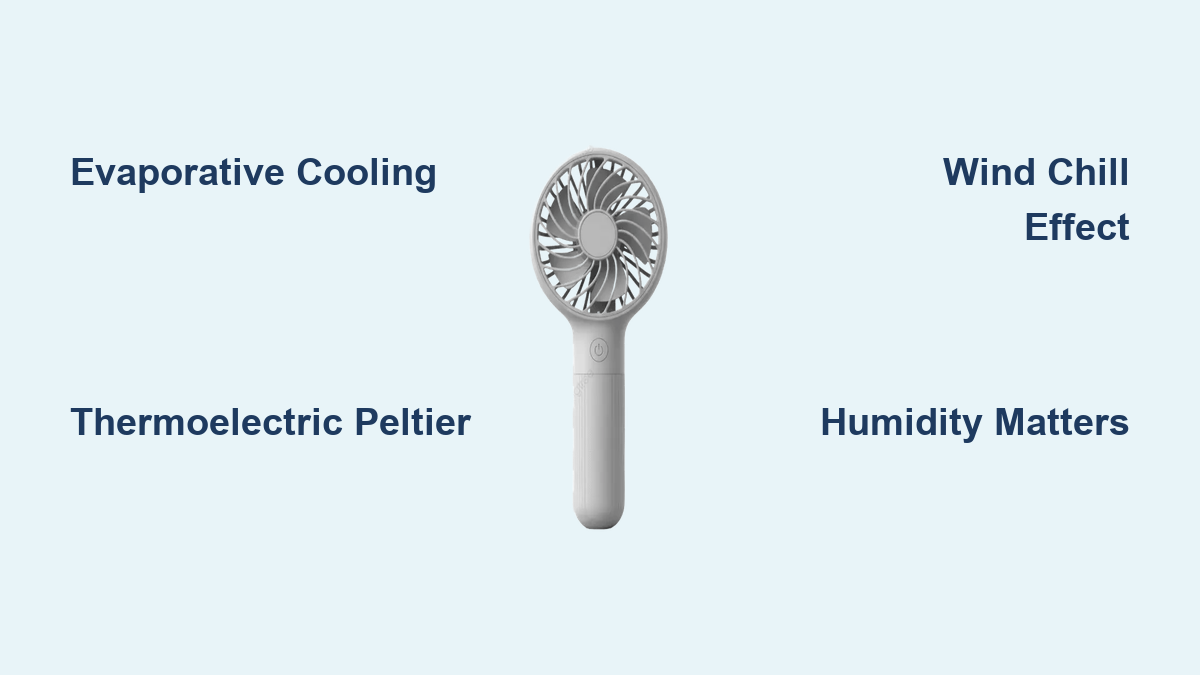
The truth is, not all portable cooling fans are created equal. Many market themselves as “air coolers,” but their real function depends on physics, not marketing. Understanding how portable cooling fans work reveals why some deliver icy relief while others barely make a difference. At the core, there are three main technologies: evaporative cooling, thermoelectric (Peltier) cooling, and passive airflow (wind chill). Each works differently, performs best in different environments, and has distinct limitations.
In this guide, you will learn exactly how each type functions, what to expect in real-world use, and how to pick the right one for your climate and needs.
Evaporative Cooling: The Swamp Cooler Effect
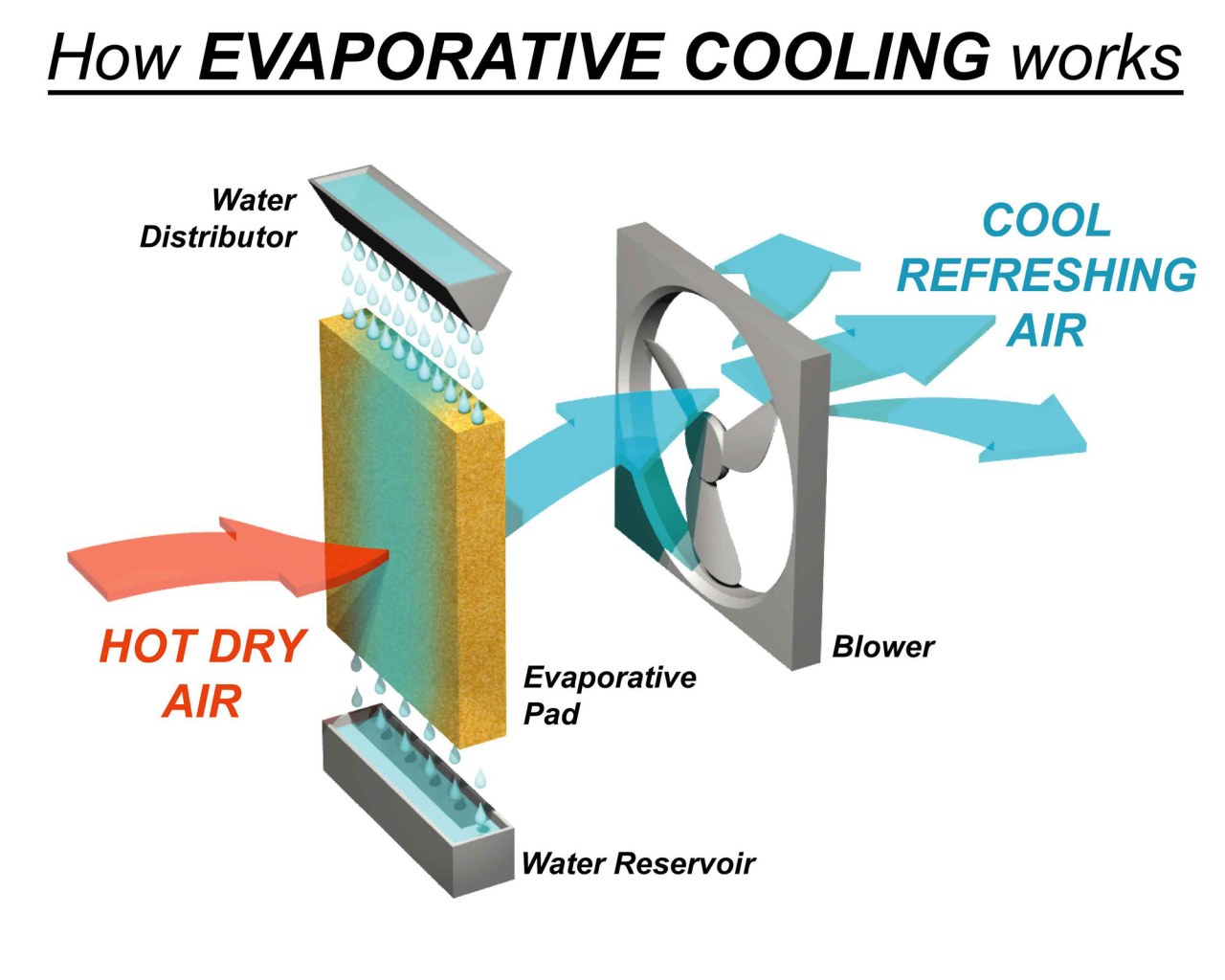
Portable fans that claim to “cool the air” often rely on evaporative cooling, essentially turning water into a natural refrigerant. This is the science behind classic “swamp coolers,” and it is surprisingly effective if your environment cooperates.
How Evaporation Lowers Air Temperature
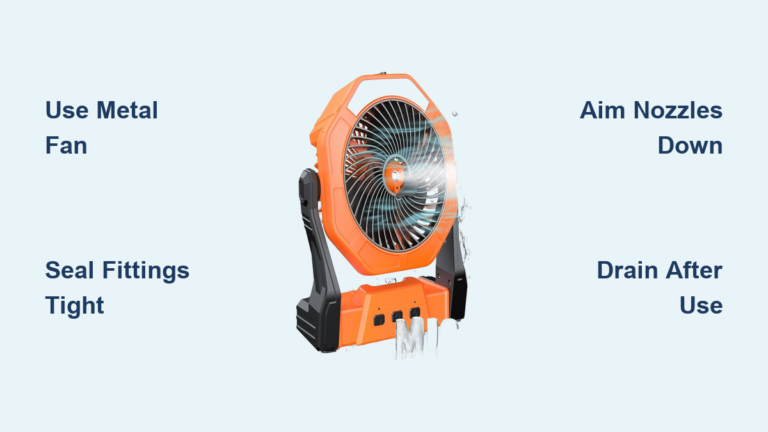
When water evaporates, it absorbs heat from the surrounding air. This physical process, known as the latent heat of vaporization, is the engine behind evaporative cooling. The fan pulls warm air through a wet medium, like a cellulose pad or honeycomb mesh, where water molecules transition from liquid to vapor, stealing thermal energy from the air. The result is cooler, more humid air blown into your space.
This is not just a slight breeze. It can drop temperatures by up to 15°F (8°C) in dry climates. But there is a catch: it only works when the air is not already saturated with moisture.
Key Components in Evaporative Units
For evaporative cooling to function, four core parts must work together:
- Water reservoir: Stores water, typically lasting 4 to 6 hours before needing a refill.
- Cooling pads: Porous materials like cellulose, fabric, or honeycomb that absorb and spread water evenly.
- Pump system: Circulates water from the tank to the top of the pads for continuous saturation.
- Fan motor: Draws air through the wet pad and pushes cooled air out.
Without any one of these, especially water, the unit reverts to acting like a regular fan, offering only 1 to 2°F of cooling.
Why Humidity Kills Performance
Evaporative cooling fails in humid environments. When relative humidity exceeds 50%, the air cannot absorb much more moisture, so evaporation slows or stops. That means no heat is removed, and your “cooler” just blows damp, warm air.
In high-humidity areas, this can make a room feel muggy and uncomfortable, worsening the heat effect. That is why these units thrive in arid regions like Arizona but struggle in Florida.
Ventilation Is Non-Negotiable
Unlike air conditioners, evaporative coolers require open windows or doors. Without airflow, humidity builds up indoors, halting evaporation. Think of it like opening the oven door after baking. Stale, hot air needs to escape. Cross-ventilation keeps the cooling cycle going.
Thermoelectric Cooling: Cold Air Without Water
If you have seen a handheld fan that chills like a mini air conditioner without needing water, you are likely looking at a Peltier-based thermoelectric fan. These use solid-state physics to generate cold air, making them ideal for humid climates.
The Peltier Effect: Electricity Creates Cold
The core of these fans is a semiconductor module (usually bismuth telluride) that exploits the Peltier effect. When electricity passes through the junction of two materials, one side gets cold while the other heats up.
- The cold side is linked to a metal cooling plate.
- The hot side connects to a heatsink with fins.
- A high-speed fan blows over the heatsink to expel waste heat and over the cold plate to chill the outgoing air.
This process provides instant cold. The cooling plate can drop to 50 to 59°F (10 to 15°C) within seconds.
No Humidity Limits, But Heat Must Be Managed
Unlike evaporative models, thermoelectric fans do not add moisture to the air. They work just as well in 90% humidity as in dry heat. That makes them perfect for travelers, hikers, or anyone in a tropical climate.
However, they generate significant waste heat on the back end. If not properly dissipated, this heat can reduce cooling efficiency, overheat the battery, and shorten component lifespan. Premium models use brushless DC motors and aerodynamic heatsinks to manage this, keeping noise under 50dB even at full power.
Battery Life vs. Cooling Power Trade-Off
These fans draw more power than standard models due to the Peltier module. Most use 3,000 to 5,000mAh lithium-ion batteries, offering 2 to 6 hours of runtime depending on cooling intensity.
Smart models now include AI chips that adjust cooling based on ambient temperature, extending battery life. Some even feature digital displays showing real-time cooling levels and battery status.
Passive Cooling: The Wind Chill You Already Know
Not all “cooling” fans actually lower air temperature. Traditional portable fans rely on wind chill, a physiological effect, not a physical one.
How Airflow Cools Your Body (Not the Room)
When a fan blows air across your skin, it accelerates sweat evaporation. This evaporative cooling of the body makes you feel cooler even if the room temperature stays the same.
But there is a limit. When ambient temperatures exceed 95°F (35°C), sweat cannot evaporate efficiently. At that point, the fan may just blow hot air, increasing discomfort and heat stress.
These fans use minimal energy and are silent on low settings, but they offer zero ambient cooling. They are best for mild heat or as a supplement to other cooling methods.
Conductive and Gel-Based Enhancements
Some handheld fans enhance wind chill with conductive cooling:
- Metal bodies made of aluminum or copper absorb heat from your hand or skin.
- Freezable gel packs are inserted into the fan and chilled beforehand. Air passes over the cold pack, picking up a slight temperature drop.
These effects are short-lived. The gel warms within 15 to 30 minutes, but they provide a quick burst of relief on demand.
Performance Comparison: What Really Works
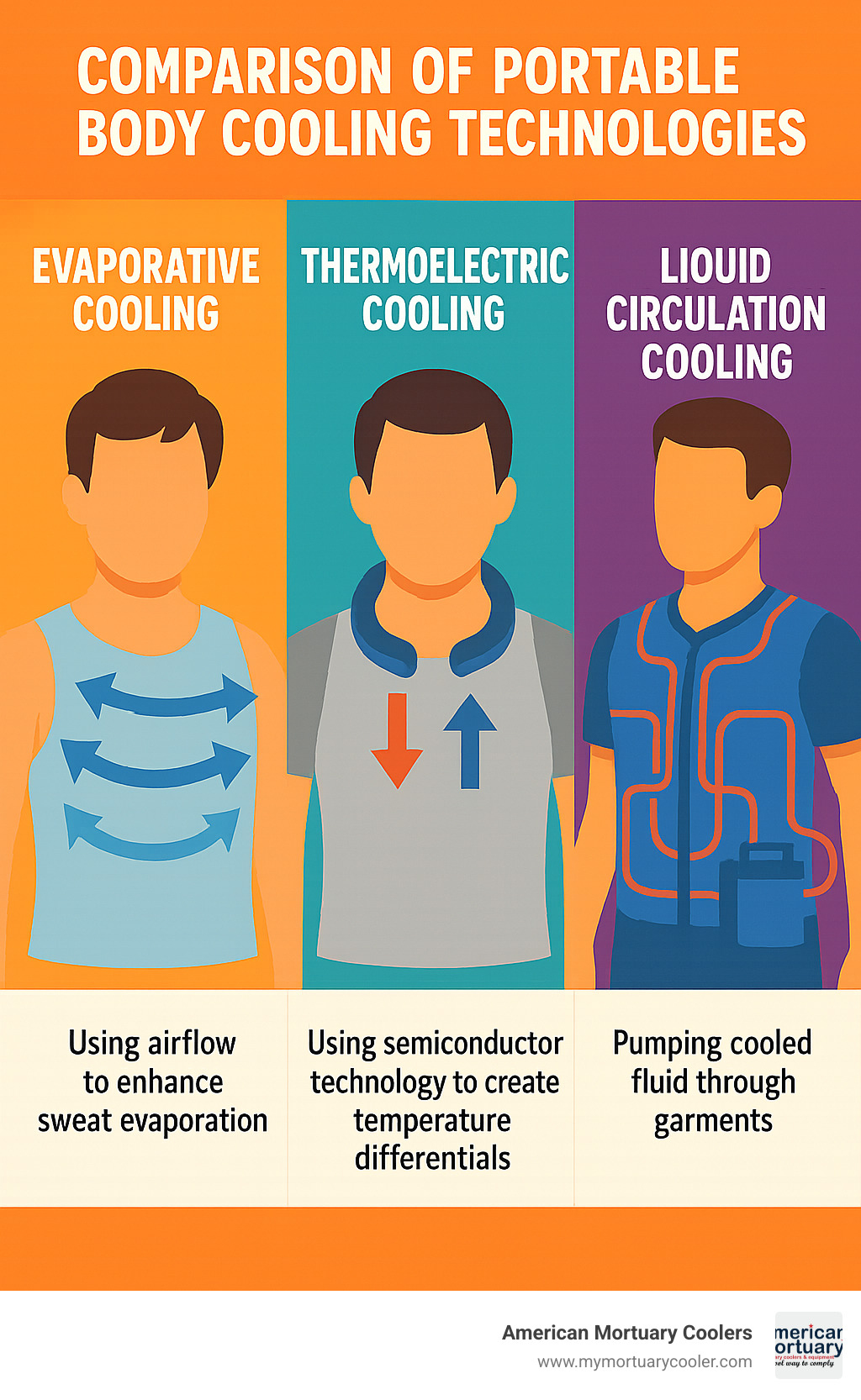
Choosing the right fan depends on your environment and expectations. Here is how the technologies stack up.
Temperature Drop: Real-World Results
- Evaporative coolers: Up to 15°F drop in dry air. In one test, a wet filter dropped air from 78.8°F to 71.4°F in five minutes, versus only 77.7°F with a dry filter.
- Thermoelectric fans: Surface temps reach 50 to 59°F. Airflow feels chilled but does not cool entire rooms.
- Standard fans: 0°F drop in ambient temperature. Relief comes only from body cooling.
All portable fans have limited range, typically effective within 1 to 2 feet. They are personal devices, not room coolers.
Humidity: Friend or Foe?
| Technology | Humidity Impact | Best Climate |
|---|---|---|
| Evaporative | Adds moisture | Dry, hot (under 50% RH) |
| Thermoelectric | No change | All, especially humid |
| Standard Fan | No change | Mild to moderate |
| Portable AC (ref) | Removes moisture | Humid, hot |
If you live where it is sticky, avoid evaporative coolers. They will make things worse.
Energy and Noise: What You Pay For
- Evaporative coolers: Low energy use (fan plus small pump), but can be loud at high speed.
- Thermoelectric fans: Moderate power draw. Premium models stay under 50dB.
- Standard fans: Most efficient, quietest option.
For off-grid use, solar-compatible and DC-powered models are rising in popularity, especially for RVs and camping.
Setup and Maintenance: Getting the Most From Your Fan
Even the best fan fails without proper use. Here is how to maximize performance.
Placement Matters
- Keep it close: These fans cool you, not the room. Place it on your desk, bedside table, or lap.
- Avoid direct sunlight: Heat from windows or lamps reduces efficiency.
- Use outdoors wisely: Evaporative coolers shine on patios or in garages. Just ensure the unit is weather-rated and plugged into a GFCI outlet.
Water and Filter Care
For evaporative models:
- Soak the pad before use. Dry operation gives no cooling.
- Refill every 4 to 6 hours.
- Clean the tank weekly to prevent mold and bacteria.
- Replace pads annually. They degrade over time.
For thermoelectric fans:
- Keep the heatsink dust-free.
- Do not block exhaust vents.
- Use the BMS (Battery Management System) to prevent overcharging.
Who Should Use Which Type?
Best for Dry Climates: Evaporative Coolers
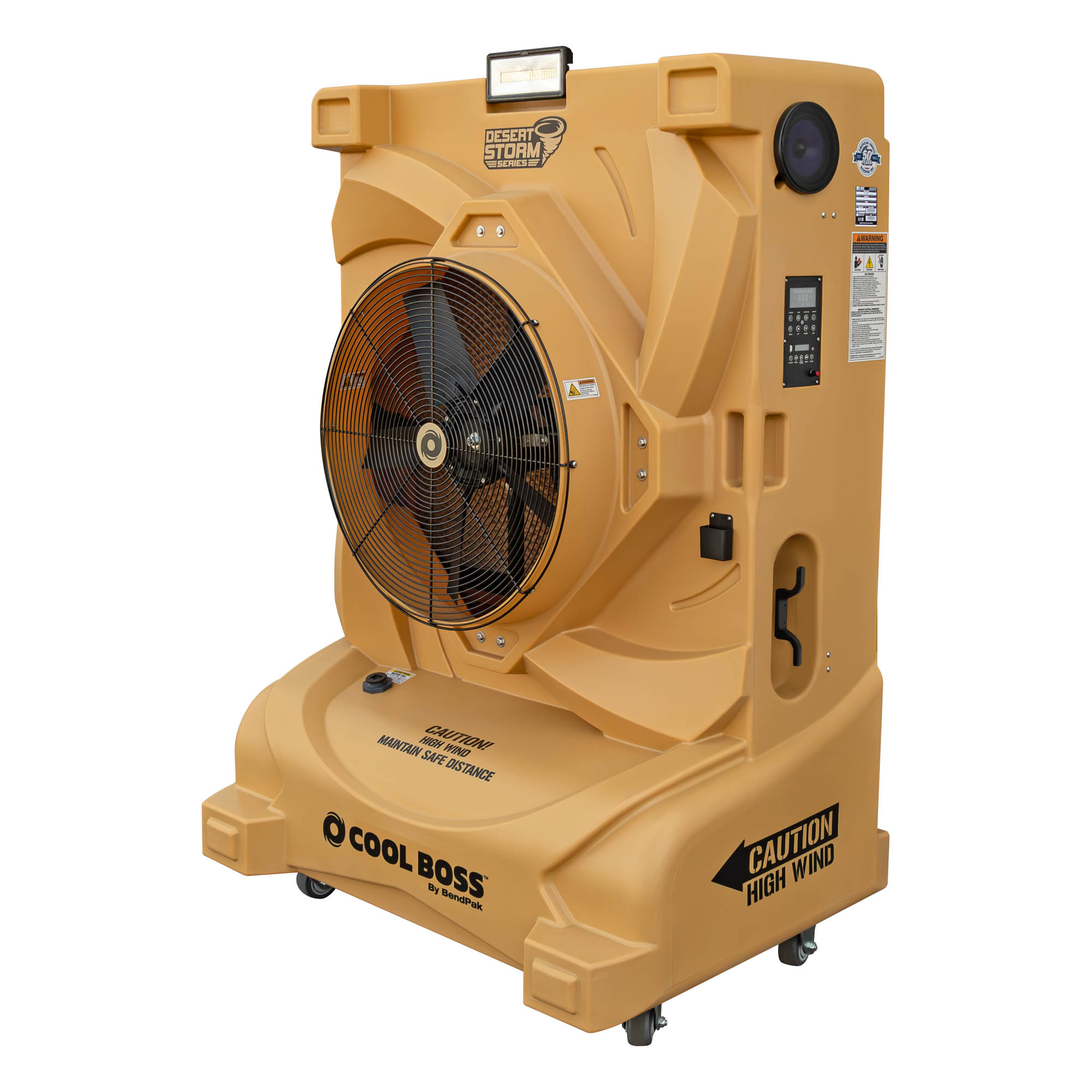
If you are in Arizona, Nevada, or any arid region, an evaporative cooler is a low-cost, eco-friendly alternative to AC. It uses 90% less energy than a portable AC and requires no installation.
Ideal for:
- Renters
- Garages and workshops
- Patios and outdoor events
- Budget-conscious users
Best for Humid Areas: Thermoelectric Fans
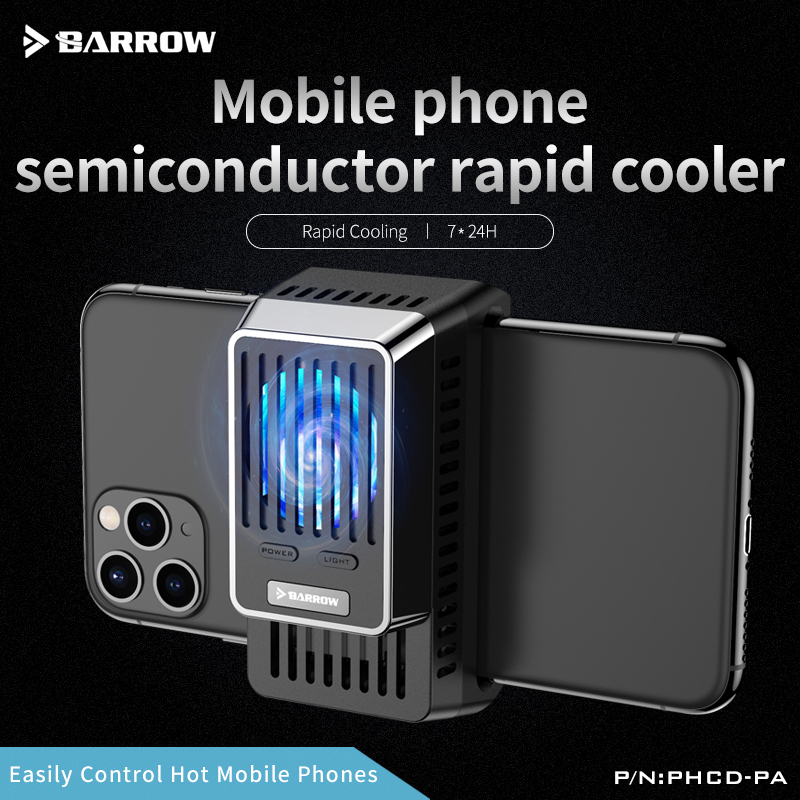
When humidity renders evaporative coolers useless, Peltier fans step in. They deliver personal cooling without moisture, making them ideal for tropical climates, office workers, travelers and commuters, and anyone needing handheld instant relief.
Best for Mild Heat: Standard Fans
When temperatures are tolerable but stuffy, a basic fan is all you need. It is the most energy-efficient and quiet option, perfect for bedrooms or quiet spaces.
Emerging Trends and Future Tech
The portable cooling market is evolving fast.
Smart Features and Design Upgrades
- AI-driven cooling: Sensors adjust fan speed and cooling intensity based on room temperature.
- Digital displays: Show battery life, cooling mode, and ambient temp.
- Sleek, metallic builds: Moving away from plastic toys to premium, minimalist designs.
Eco-Friendly Power Options
Many new models support solar panels, car DC adapters, and power banks. This makes them ideal for off-grid living, camping, and emergency preparedness.
Safety and Environmental Notes
- No toxic refrigerants: Evaporative and thermoelectric fans are safer than ACs that use high-GWP gases.
- GFCI protection: Essential for outdoor use to prevent electrical shocks.
- Ventilation helps with air quality: The constant airflow from evaporative coolers can reduce airborne virus concentration, per CDC guidelines on indoor ventilation.
Key Takeaways for Understanding Portable Cooling Fans
Portable cooling fans are not magic. Their performance hinges on physics, not hype. How do portable cooling fans work? It depends on the technology inside.
Evaporative fans cool by wet evaporation, which is great in dry heat but useless in humidity. Thermoelectric fans use Peltier semiconductors, which are effective anywhere but battery-limited. Standard fans rely on wind chill, which is efficient but does not lower air temperature.
Choose based on your climate, not the label. A $100 “air cooler” in Miami might be worse than a $20 fan. But in Phoenix, it could be a game-changer.
For real cooling, match the tech to your environment. And remember: if it sounds too good to be true, like cooling a whole room without power or water, it probably is.
Frequently Asked Questions About How Portable Cooling Fans Work
Do portable cooling fans actually lower the room temperature?
Only evaporative coolers can lower ambient temperature, and only in dry climates. They can achieve up to a 15°F drop. Thermoelectric fans cool a small area near the device but do not significantly change room temperature. Standard fans do not lower temperature at all.
Why does my evaporative cooler not feel cool?
Your cooling pads are likely dry. Evaporative coolers require wet pads to function. Soak the pads before use, keep the water reservoir full, and ensure humidity is below 50%. Without these, the unit acts like a regular fan.
Can I use a portable cooling fan in a humid climate?
Thermoelectric fans work best in humid climates because they do not add moisture. Evaporative coolers actually make humid environments more uncomfortable by adding moisture to already-saturated air.
How long do the batteries last on thermoelectric fans?
Most thermoelectric fans offer 2 to 6 hours of runtime on a full charge, depending on the cooling setting and battery capacity (typically 3,000 to 5,000mAh).
Are portable cooling fans safe to use outdoors?
Yes, but only if the model is weather-rated and plugged into a GFCI outlet. Evaporative coolers work exceptionally well outdoors on patios and in garages, provided there is cross-ventilation for airflow.